╳

Home



 2026-08-10

Enamel Craft Enters the Accessible Luxury Watch Market: Understanding the Cost Logic Behind Dial Decoration
While browsing an accessible luxury watch boutique, I came across two timepieces priced nearly identically — one with a plain, printed-index dial, the other with a hand-painted enamel dial, priced just slightly higher at the thousand-yuan mark. Many consumers wonder: with only the dial differing, where does the price gap come from?
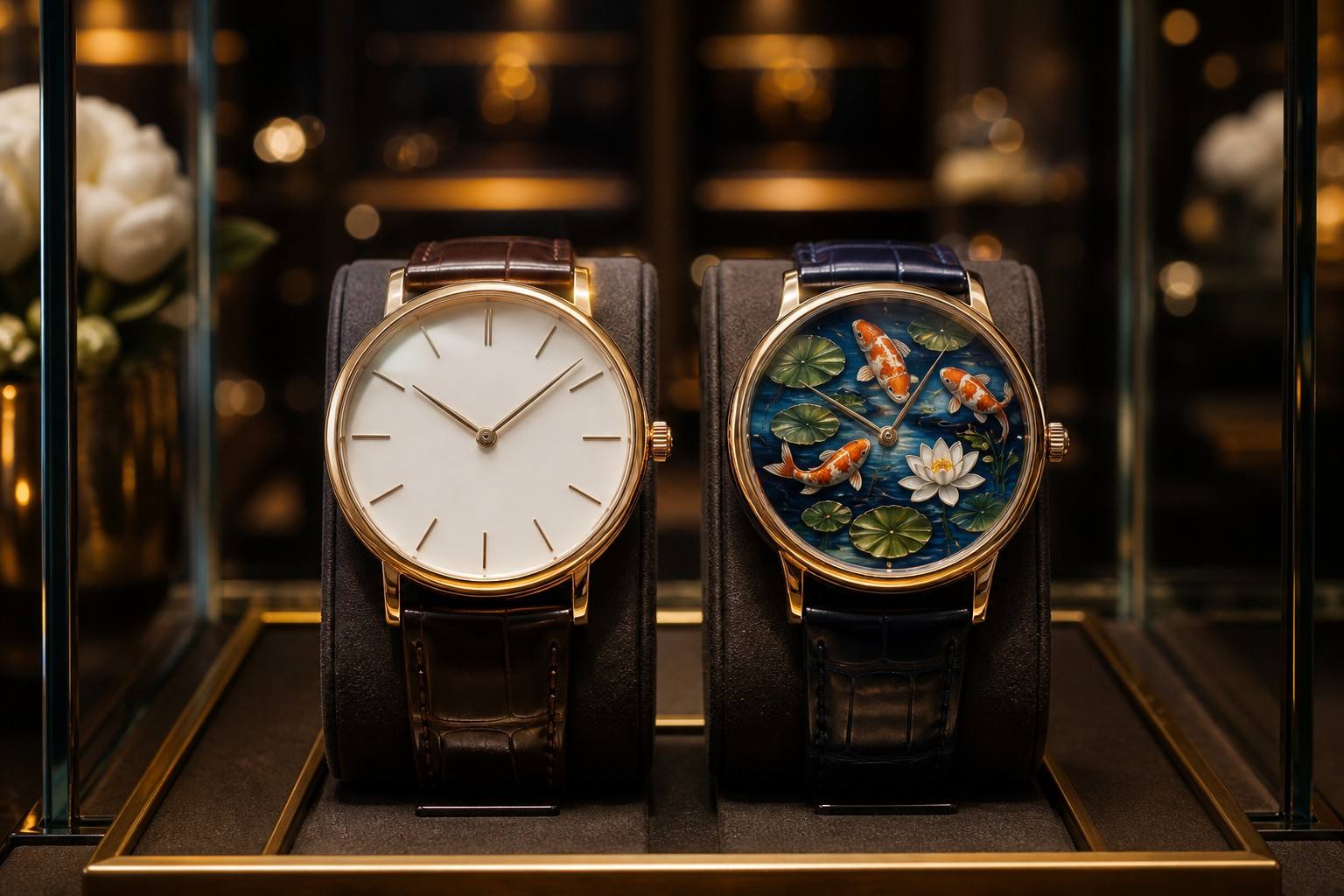
Enamel is a traditional decorative craft with over a thousand years of history. It has journeyed from ancient court jewelry and cloisonné vases to modern watch dials — and now, it is steadily making its way into accessible luxury product lines. The complexity of the craftsmanship directly dictates a watch's price, and enamel has become one of the core techniques that separates product tiers within the accessible luxury market.

The Demanding Production Process of Enamel Dials
The enamel-making process is extraordinarily laborious. Natural mineral glass is ground into ultra-fine powder, then blended with metal oxides to create different colored glaze pastes. This mixture is applied evenly onto an ultra-thin metal dial base, then fired repeatedly in stages at temperatures between 800°C and 1,000°C. A single failed firing renders the entire dial unusable.
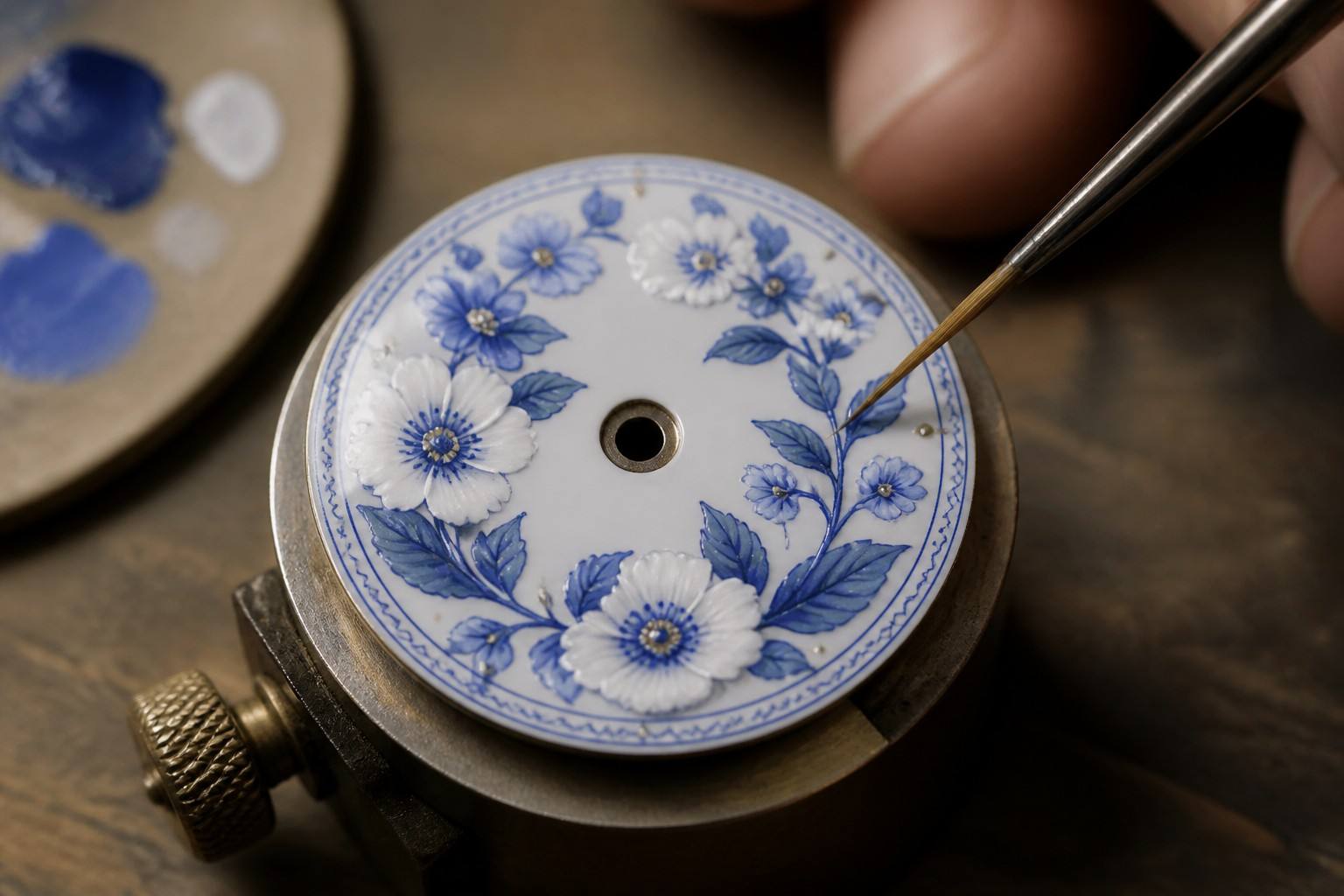
The firing process is highly sensitive to temperature and ambient humidity, making it impossible to control the yield rate by hand alone. An ordinary plain dial relies on machine-printed indices, with a mass-production defect rate of under 5%. A hand-made enamel dial, by contrast, sees a defect rate that consistently exceeds 60%. When raw material and labor costs multiply, the difference naturally shows up in the retail price.
From High-End Custom to Accessible Luxury: The Craft's Journey Downmarket
In earlier times, enamel craftsmanship was reserved for high-end custom watches starting at several hundred thousand yuan. The raw material cost and the skill barrier were simply too high to fit accessible luxury pricing.
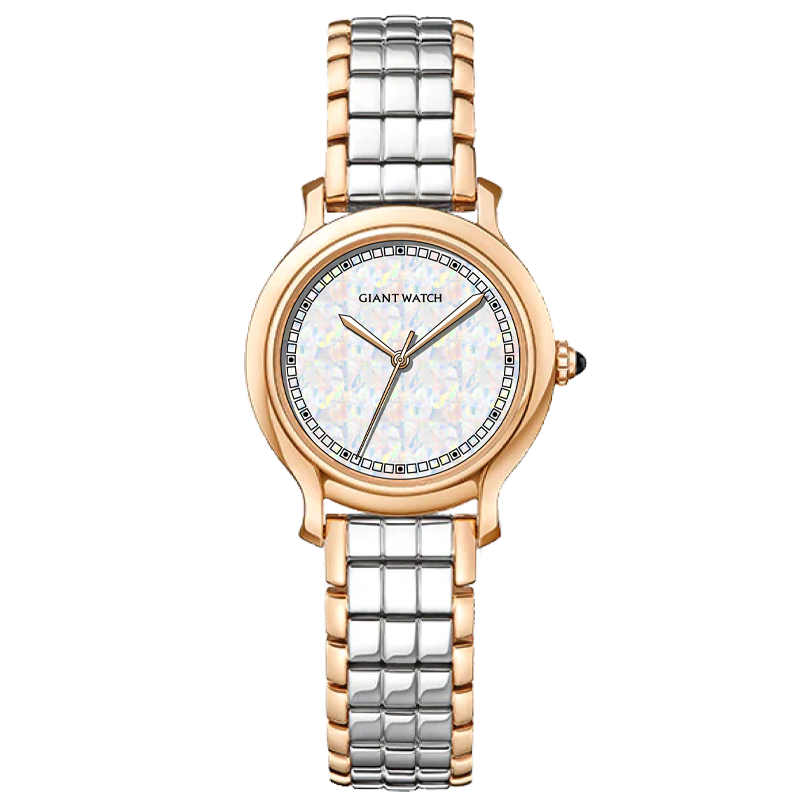
That changed with modern glaze formula improvements, the advent of small precision kilns, and the maturation of lightweight, low-temperature enamel technology. Today, some brands have adapted simplified hand-painted enamel for their accessible luxury lines. Instead of covering the entire dial in miniature painting, they opt for localized enamel accents — enamel hour markers or small floral motifs scattered across the dial. This approach keeps costs in check while preserving enamel's signature warm, translucent quality.
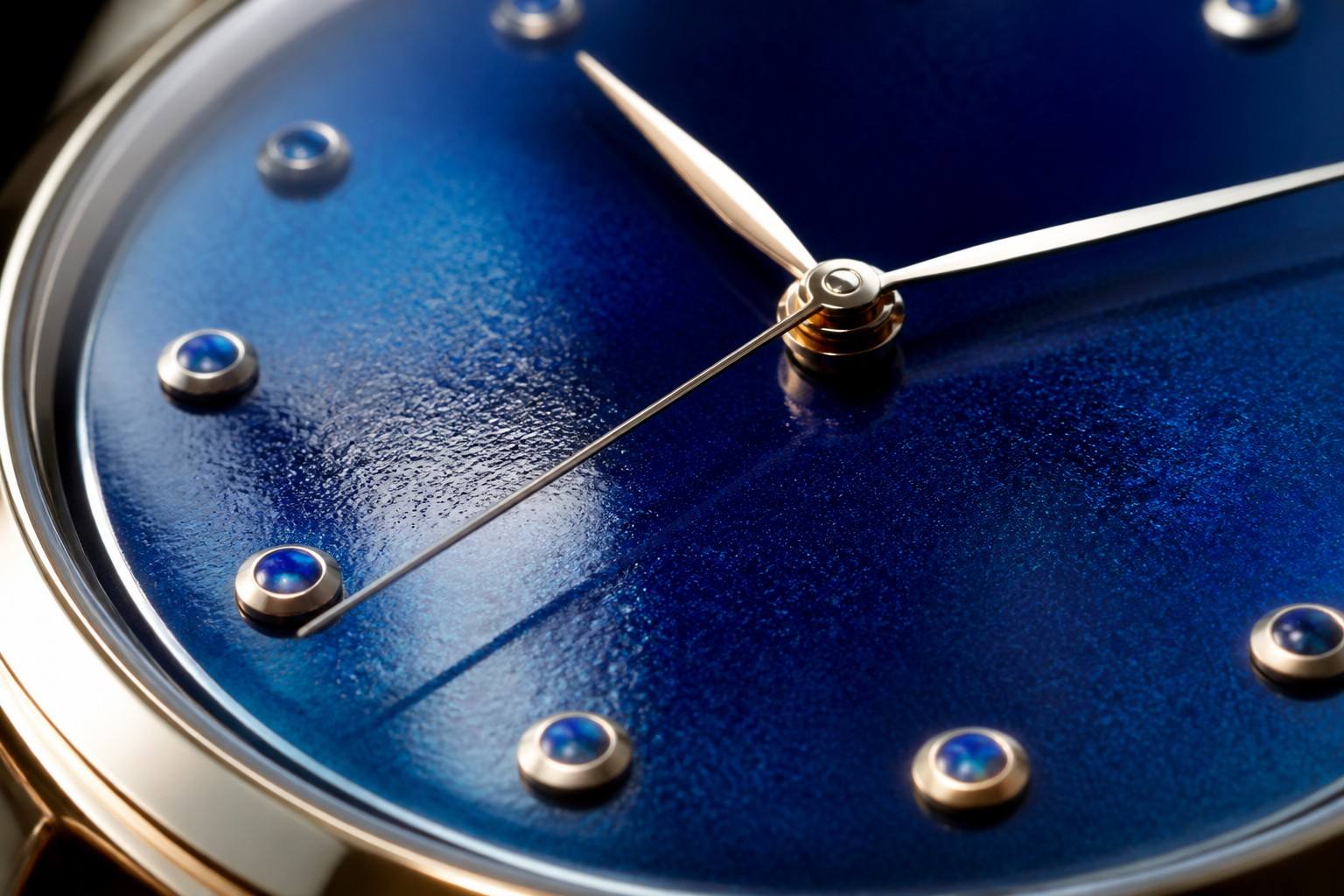
This is where enamel differs from the rigid color blocks of industrial printed dials: natural enamel refracts light at different angles, producing a gradual, shimmering luster that printing technology simply cannot replicate.
Beware the "Fake Enamel" Printed Dial
A large number of imitation enamel dials circulate in the market. These use ink printing to simulate the enamel texture at extremely low cost. Under strong light, a closer look reveals the grainy texture of ink — completely lacking the translucent depth of genuine glass glaze. This is a common tactic some merchants use to blur the lines between concepts.
How Should Consumers Choose?
Choosing enamel decoration in an accessible luxury watch is, at its core, the industry's attempt to democratize a high-end craft. Constrained by pricing ceilings, it's difficult to achieve full-dial heavy enamel work; localized enamel accents are the natural balance between cost and craftsmanship.
Consumers don't need to blindly chase enamel dials. If you're drawn to the texture of traditional craftsmanship, prioritize small-area enamel pieces from reputable brands. If you value cost-effectiveness, durability, and practicality, a plain dial with finely engraved indices is the more prudent choice.
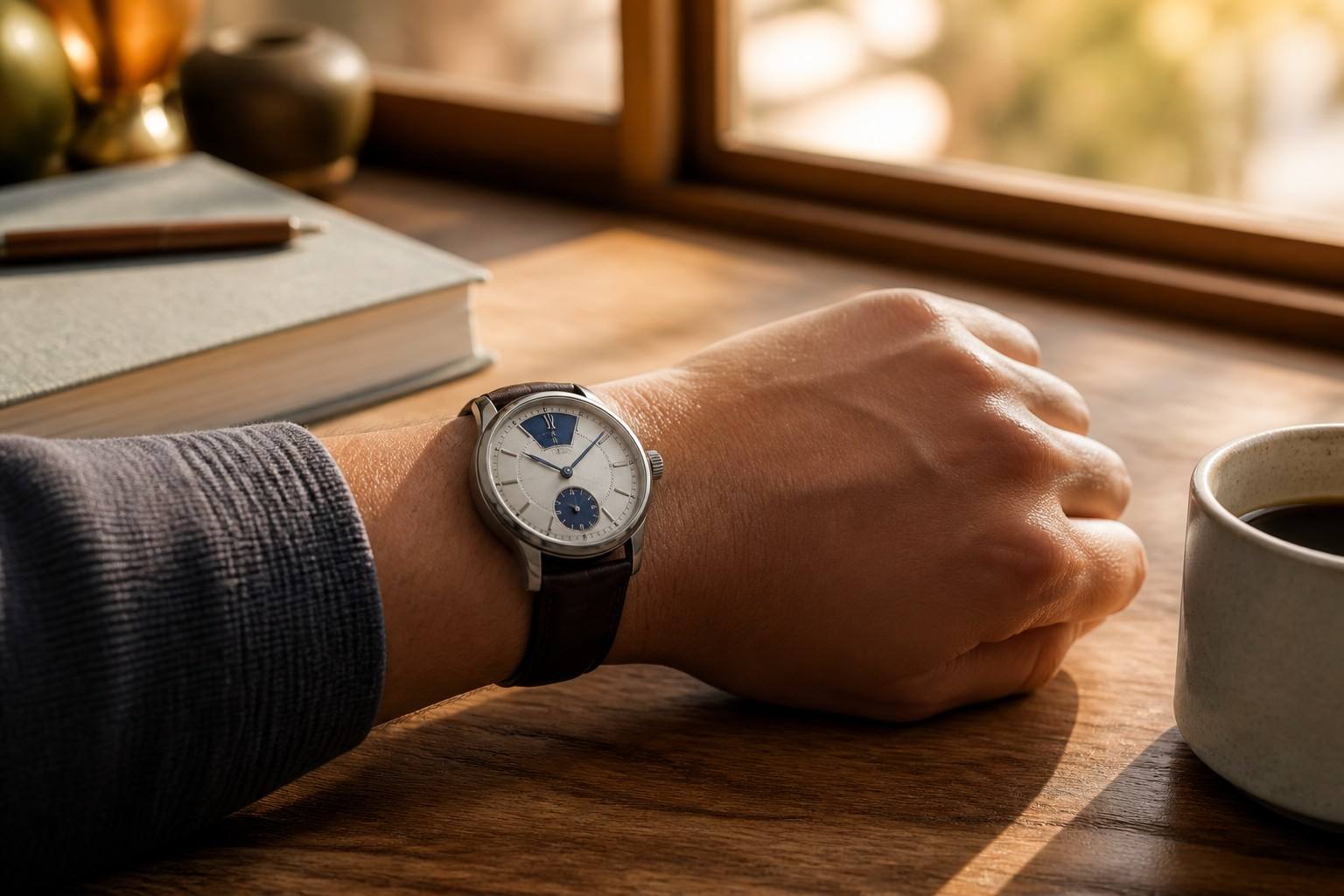
Traditional handcraft entering the mid-range accessory market is a microcosm of the watch industry's downward transfer of craft. The progress of accessible luxury watches lies in this: ordinary consumers no longer need to spend a fortune to experience a thousand-year-old classical craft up close. This democratization of craft is precisely the core value that sets accessible luxury pieces apart from ordinary, low-priced fashion watches.

2F, Building A, Shimei Industrial Park, Dalang Town, Longhua District, Shenzhen, China