╳

Home



 2026-11-02

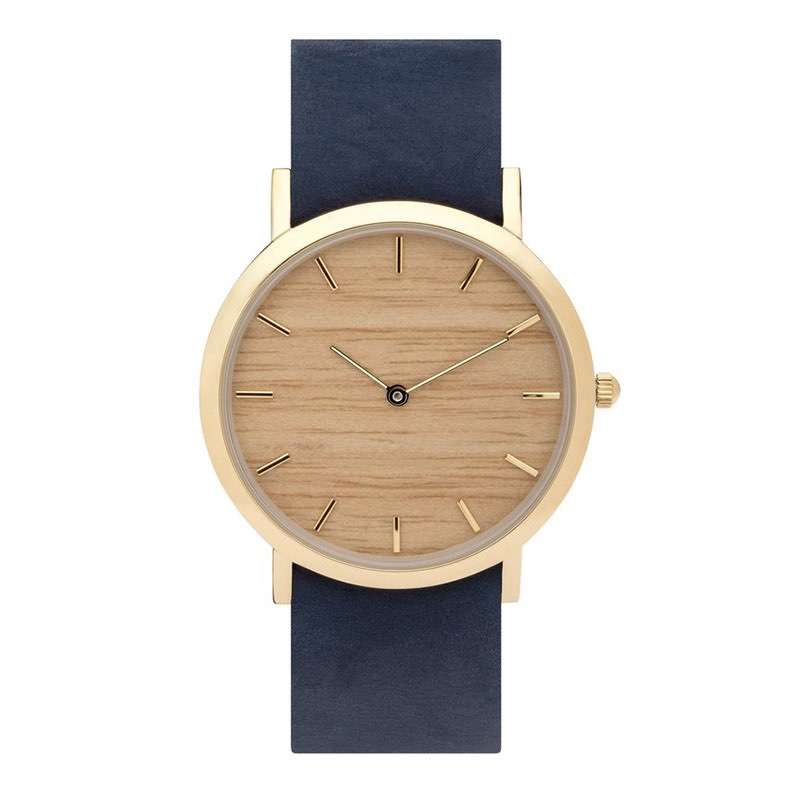
A quartz movement watch uses electronic oscillation to drive its hands — which is why it keeps time so accurately and costs so little to produce. This short guide explains the piezoelectric effect that lets a quartz crystal vibrate at an extremely high frequency and deliver a precise time reference; traces the quartz boom of the 1960s and 1970s when Japanese and Swiss makers pushed quartz past mechanical accuracy; covers the 1980s mechanical revival that ended quartz's dominance; and explains why quartz watches remain the mainstream, cost-effective choice for everyday wear today. A clear, plain-language primer for anyone who wants to understand what is actually inside a quartz watch.
Read more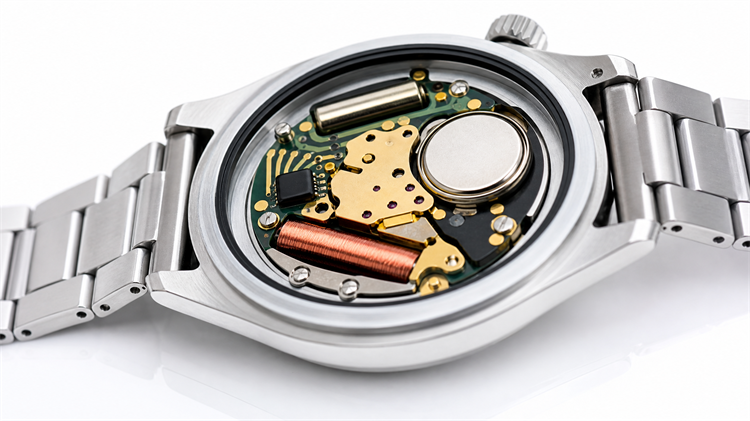 2026-10-29
Most watch wearers know the look, not the mechanics. This guide walks through five fundamentals that separate a casual wearer from a genuine enthusiast: why hands turn clockwise (a sundial legacy from ancient Egypt), why steel components make watches vulnerable to magnets, whether a higher beat rate really means better accuracy (and why 28,800 vph became the industry compromise), what the rotor actually does to wind a mainspring, and why balance staff pivots — as thin as a human hair — need shock absorbers like KIF and Incabloc to survive daily life. Practical, jargon-light, and useful the next time someone asks what's inside your watch.
Read more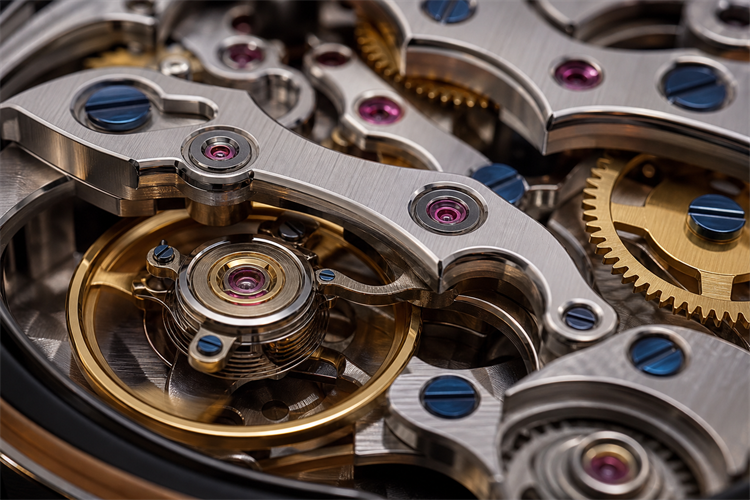 2026-10-28
How did the watch strap evolve from a piece of cord to the precision-engineered bands we wear today? This guide traces the full timeline: the cord-and-chain era before 1868, Patek Philippe's first wristwatch for a Hungarian countess, the 1904 Cartier Santos that formally created the wristwatch concept, the Milanese mesh bracelet's 85-step process, the 1930s Bonklip and Rolex's Oyster and Jubilee bracelets, the WWII-born NATO strap, and rubber's journey from "unacceptable" to the premium standard after Hublot's 1980 gold-and-rubber gamble. A material history of the one accessory every watch wears — and why steel once cost a third of a watch's price.
Read more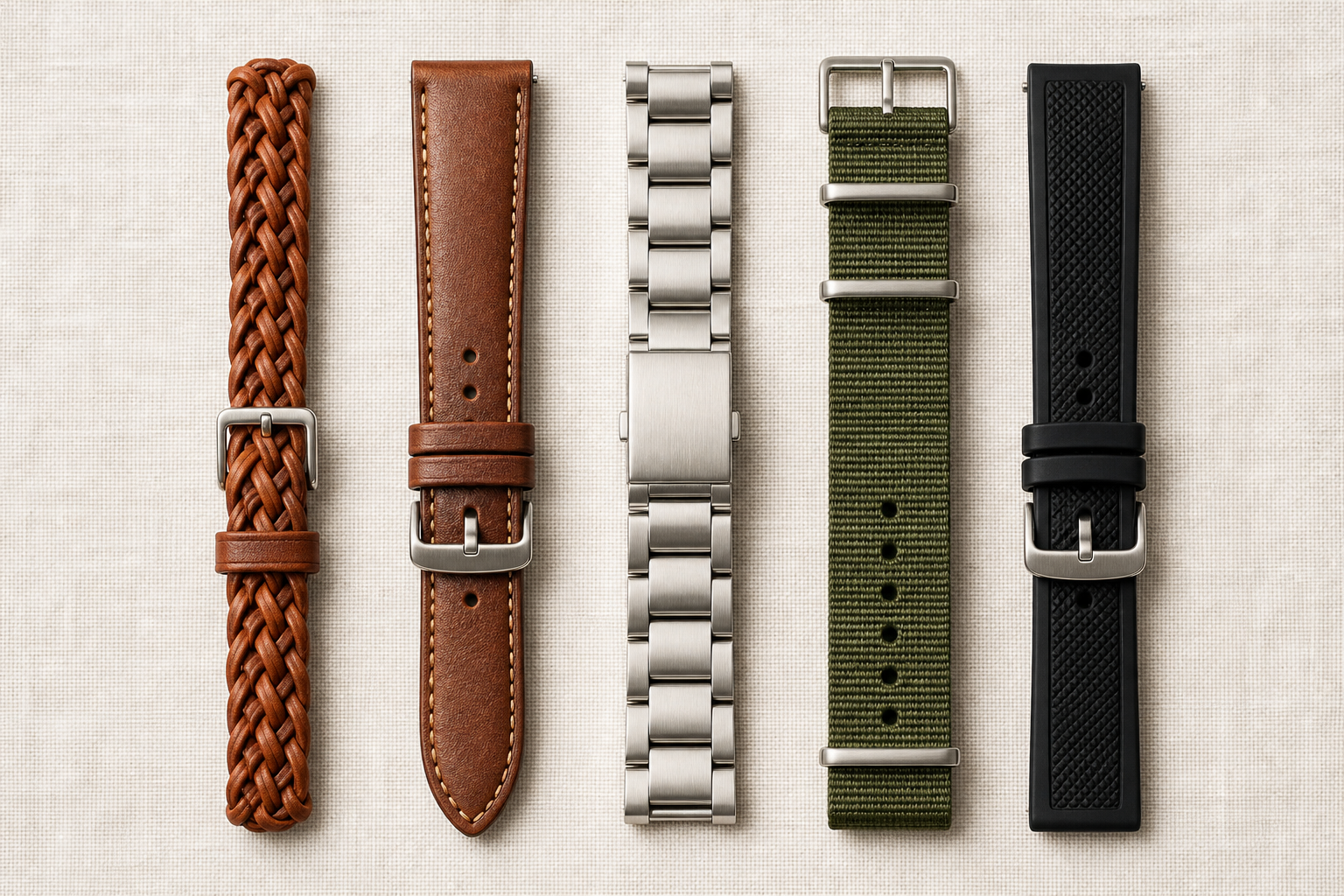 2026-10-23
Miniature enamel painting — Enamel Miniature, or painted enamel — is the most difficult of the three great enamel disciplines. Born in 15th-century Flanders and perfected at Limoges, it reached China through Guangzhou as "Canton enamel," and today survives in the hands of fewer than ten masters worldwide. This article traces the craft's full story: the opaque base glaze, the sable single-hair brush, the microscope, and the dozens of kiln firings where a single flaw destroys months of work. We also look at why masters such as Anita Porchet and Miklos Merczel remain so sought after, why brands guard their enamel "secret methods," and why a fine miniature enamel dial can command millions. One of Geneva's seven great watchmaking crafts, explained.
Read more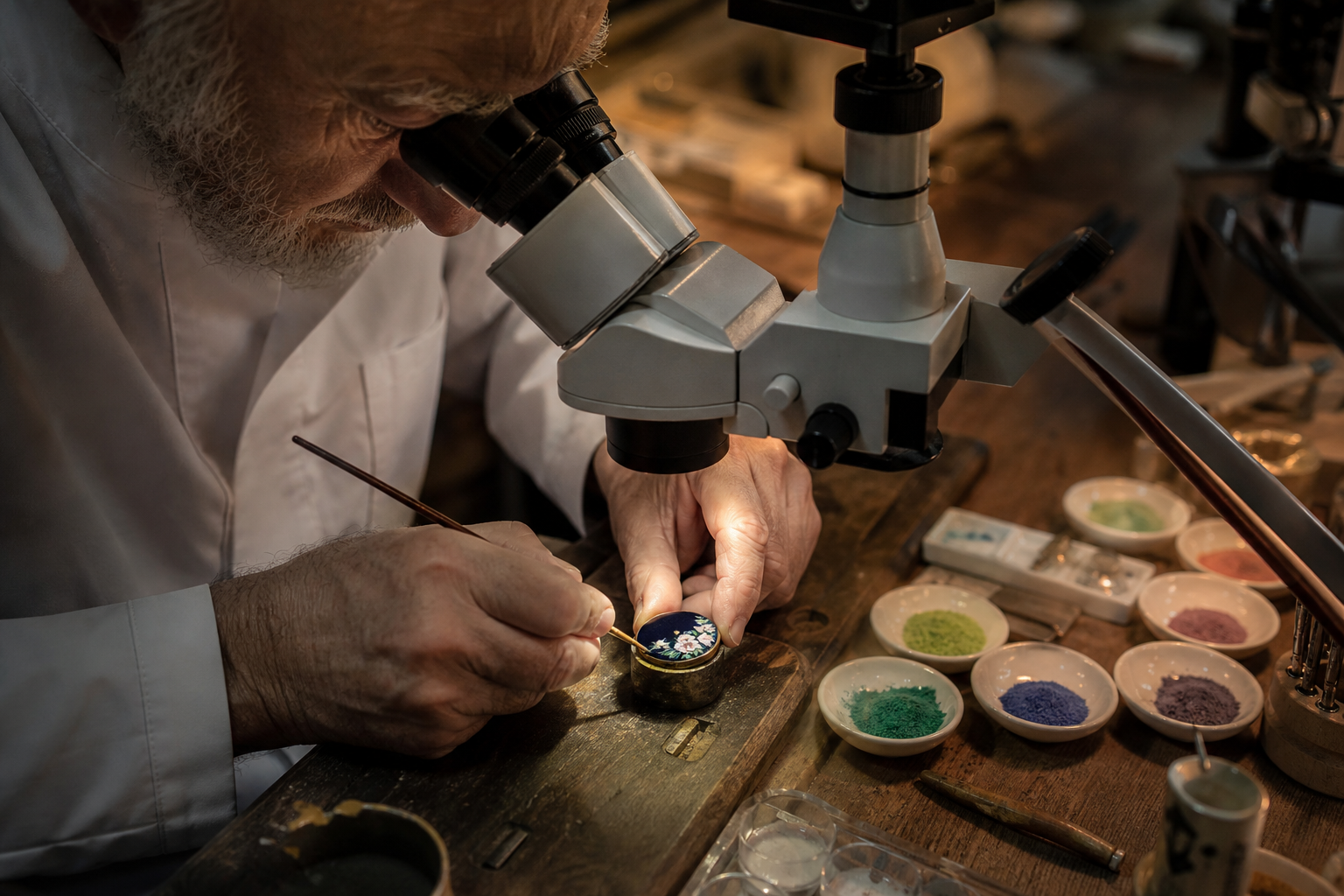 2026-08-10
Two watches, nearly identical prices — one plain dial, one hand-painted enamel dial, and a thousand-yuan gap. Where does the difference come from? This guide unpacks the economics of enamel watch dials: mineral glass ground to ultra-fine powder, metal oxides blended into glazes, and dials fired at 800–1000°C where a single failure scraps the entire piece. With defect rates above 60% for handmade enamel versus under 5% for printed dials, the cost logic becomes clear. We also reveal how modern low-temperature enamel technology brought this thousand-year craft down to accessible luxury price points, how to spot printed "fake enamel" dials, and when a plain engraved dial is the smarter buy. The inside story of watchmaking's most beautiful — and most fragile — dial craft.
Read more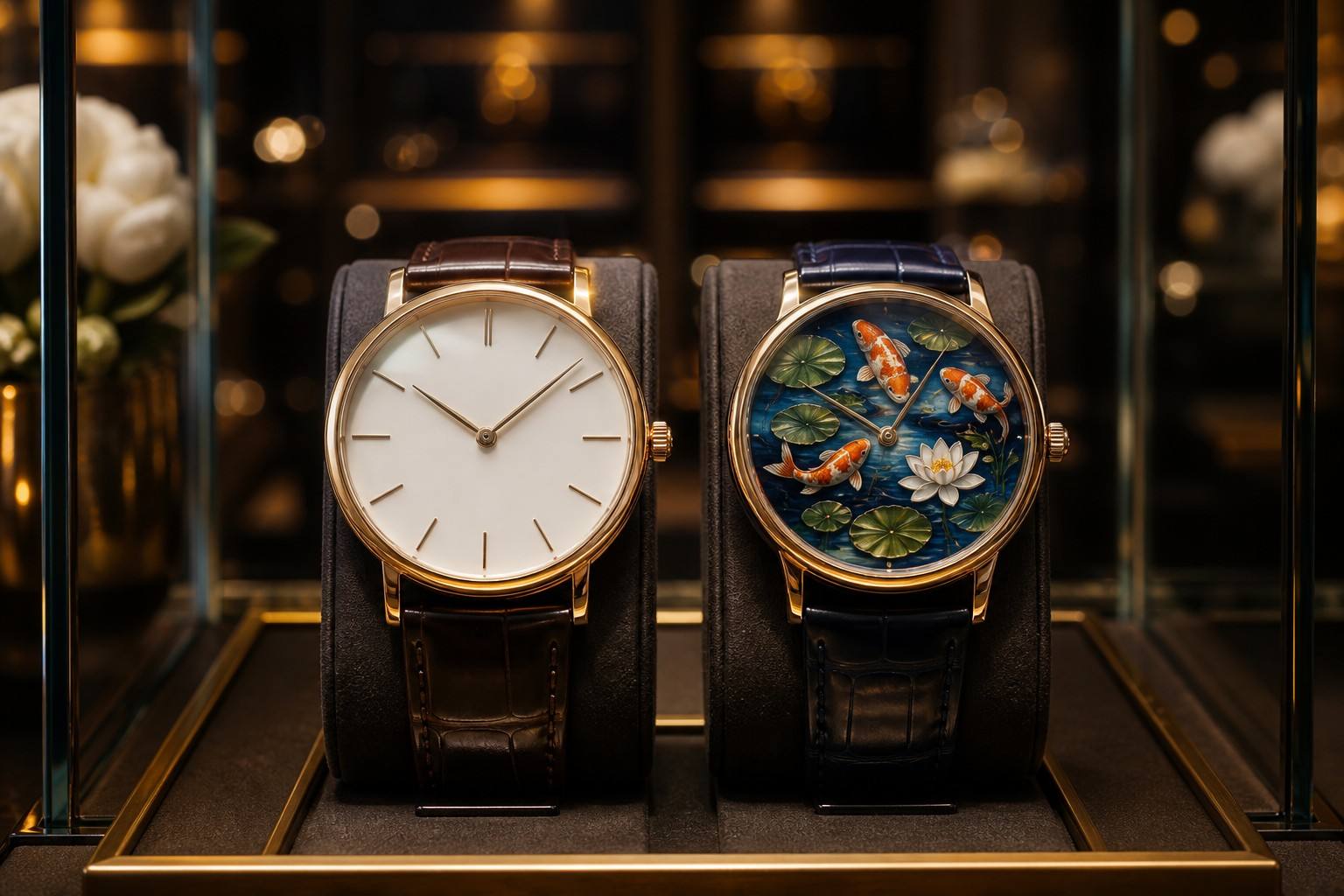 2026-07-24
Ever noticed "QUARTZ" printed on a watch dial and wondered what it means? It's not a brand — it's a technology label. This article traces the quartz watch revolution from its 1969 debut with the Seiko Astron to the science behind quartz crystal oscillation at 32,768 Hz. Learn why even budget quartz watches stay accurate to within one second per day, how this technology reshaped global watch manufacturing, and why it remains the backbone of a 500-million-unit-per-year industry. A concise read for anyone curious about the quiet revolution that changed watchmaking forever.
Read more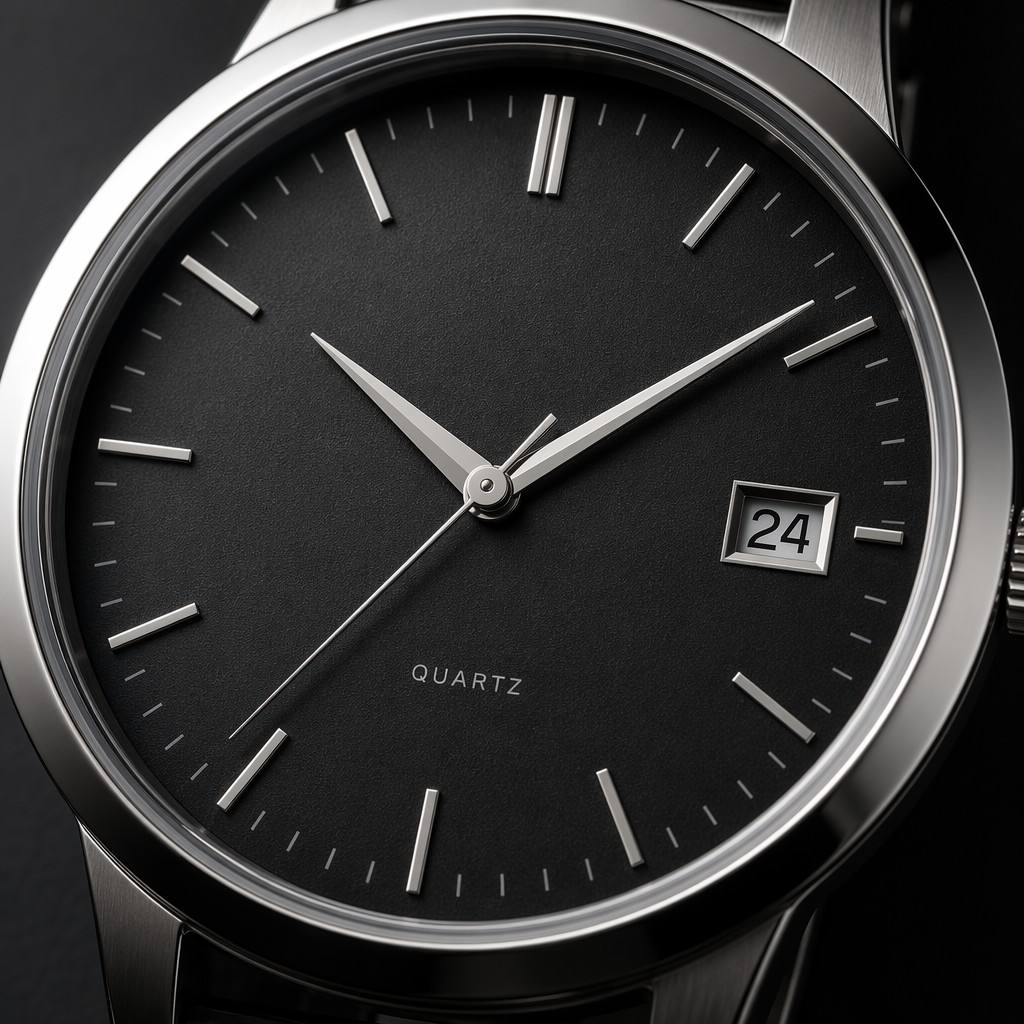 2026-07-09
Watch Dial Customization: Types and Craftsmanship — A Complete Guide by Time Valley Watch Manufacturer
Read more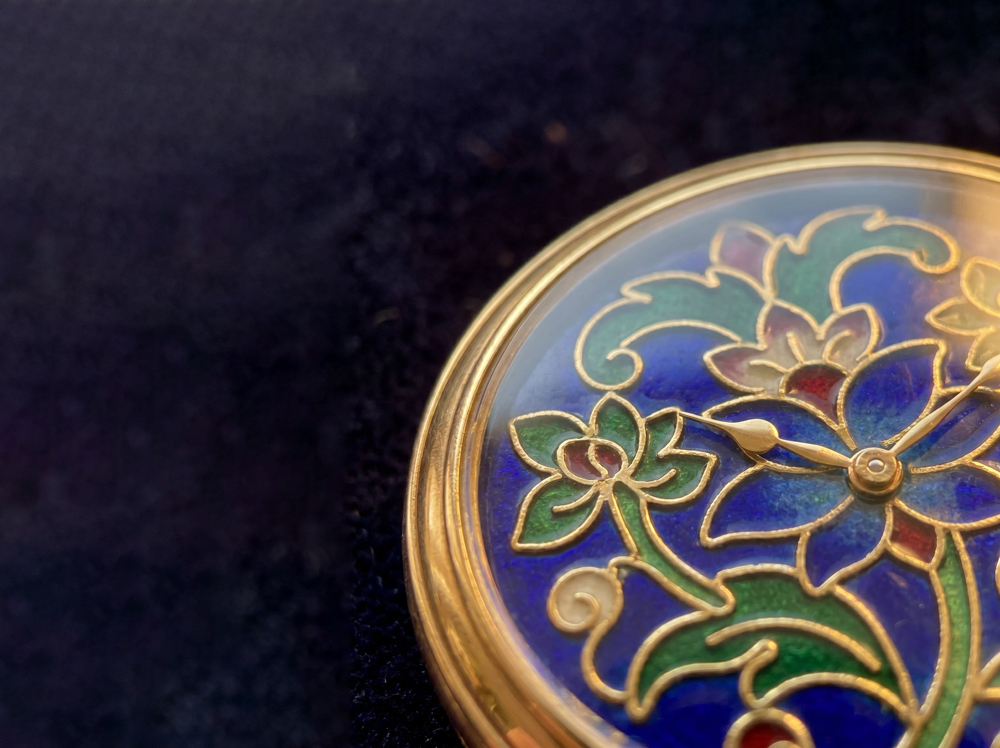 2026-07-23
Why do watches have three hands? The hour hand came first in the 16th century — a rough timekeeper for a world that only needed "about what hour." The minute hand arrived in the late 1600s when commerce demanded precision. And the second hand? It waited until the 19th century, born only after Breguet and his peers perfected the escapement. This article traces the 400-year story behind the silent dance on your wrist — from single-hand clocks to central seconds, small seconds, and the engineering marvel of coaxial hands. A short history of human precision, told through three humble needles.
Read more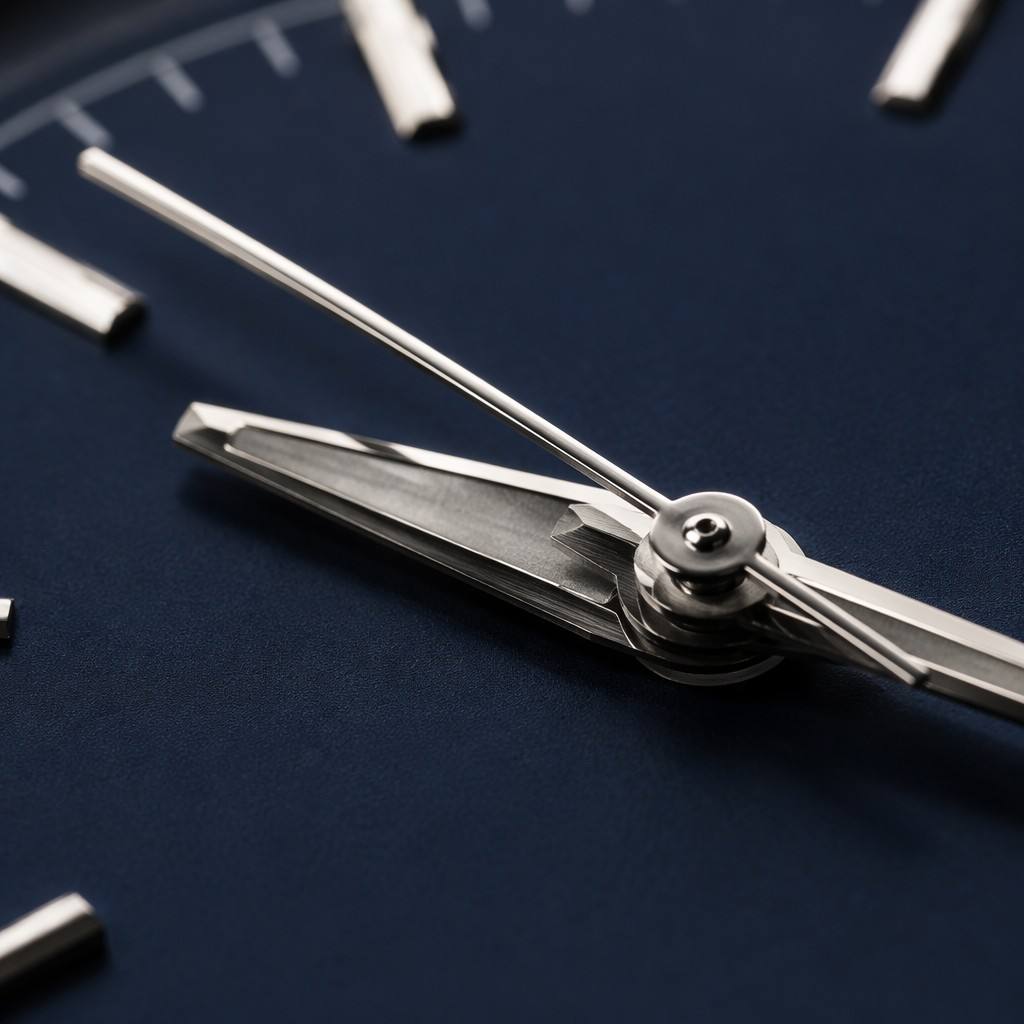 2026-06-09
Complete, annual, and perpetual calendar watches all display the date, day, and month, but they differ greatly in complexity and adjustment frequency. A complete calendar assumes 31‑day months and needs 5 adjustments per year. An annual calendar recognises 30‑ and 31‑day months but not February’s length – requiring one adjustment at the end of February. A perpetual calendar automatically accounts for leap years, short months, and even century rules, needing no adjustment during normal use. This article breaks down each type.
Read more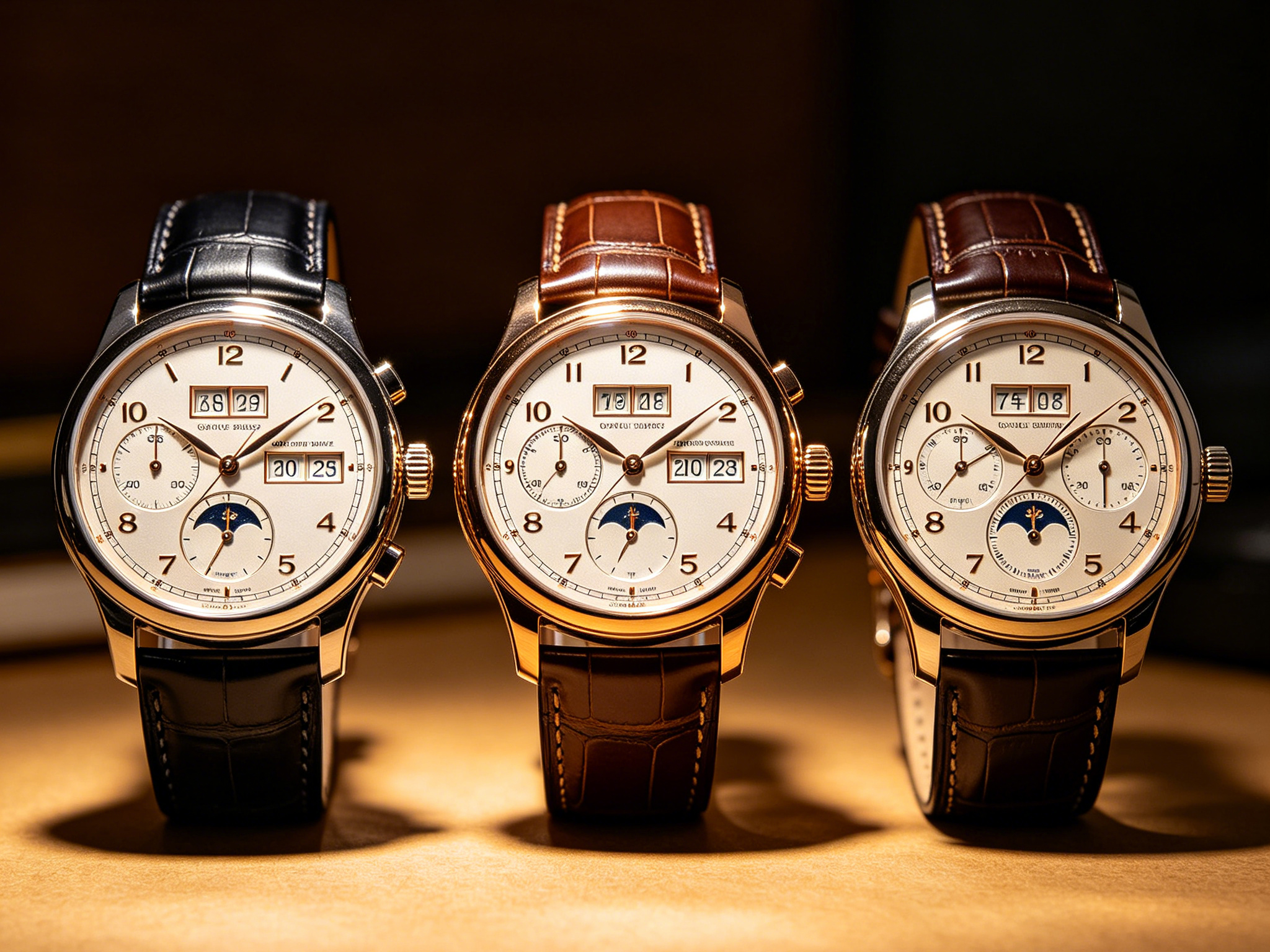 2023-12-23
Chinese watch manufacturers have gained significant recognition in the global market, showcasing impressive production strength, robust research and development (R&D) capabilities, and competitive cost performance. This article explores these key aspects that contribute to the success of Chinese watchmaking.
Read more

2F, Building A, Shimei Industrial Park, Dalang Town, Longhua District, Shenzhen, China