╳

Home



 2026-07-23

Why Do Watches Have Three Hands? The Untold Story of Hour, Minute, and Second Hands
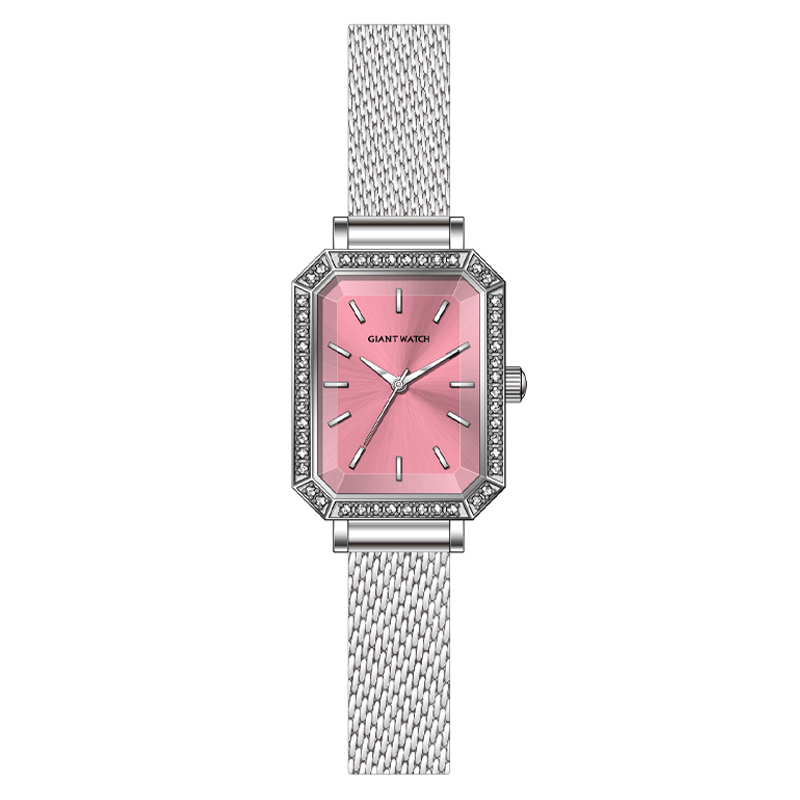
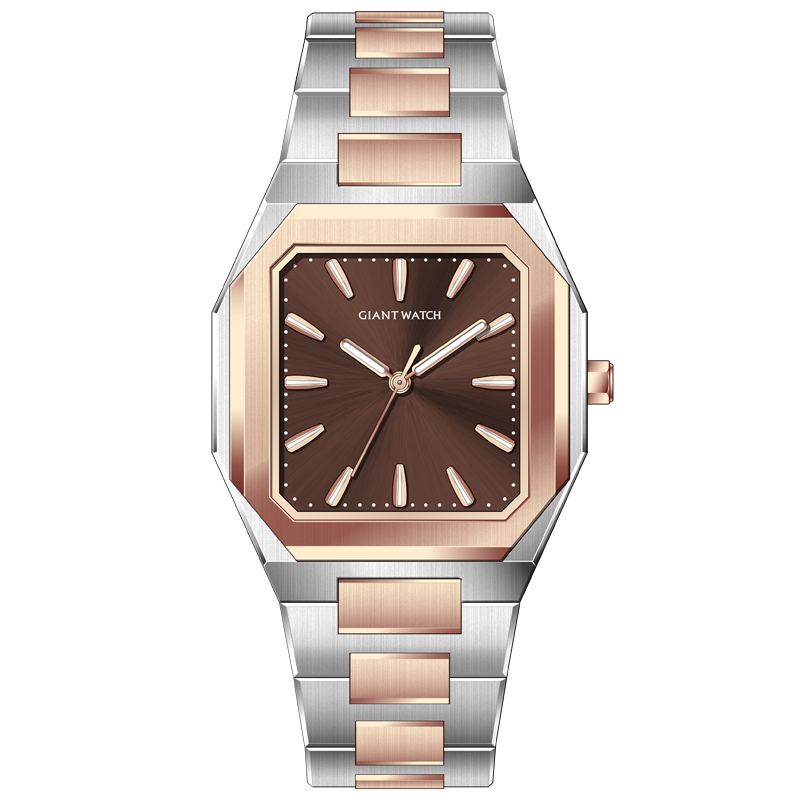
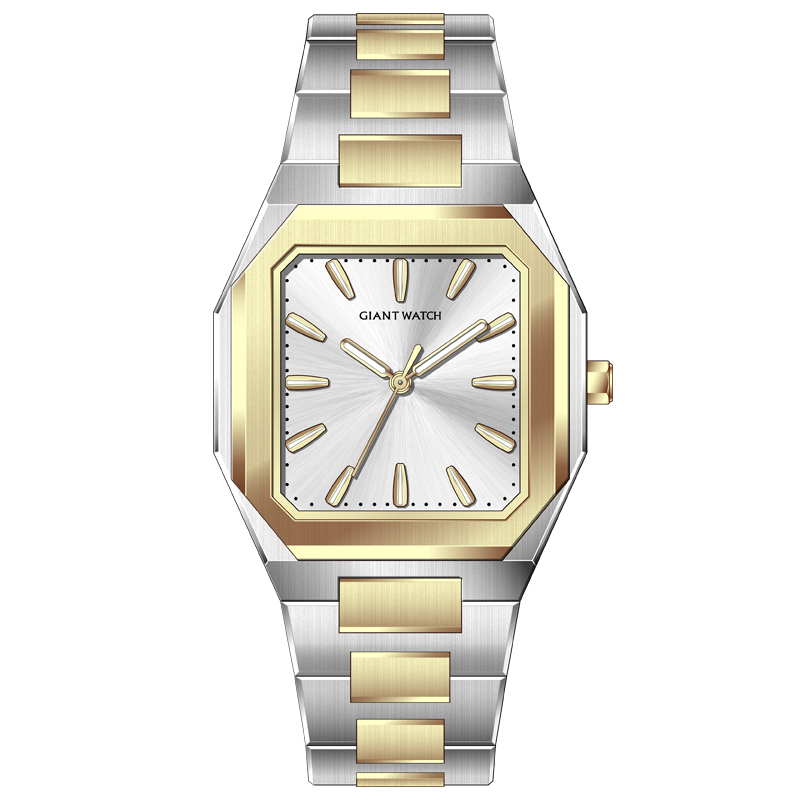
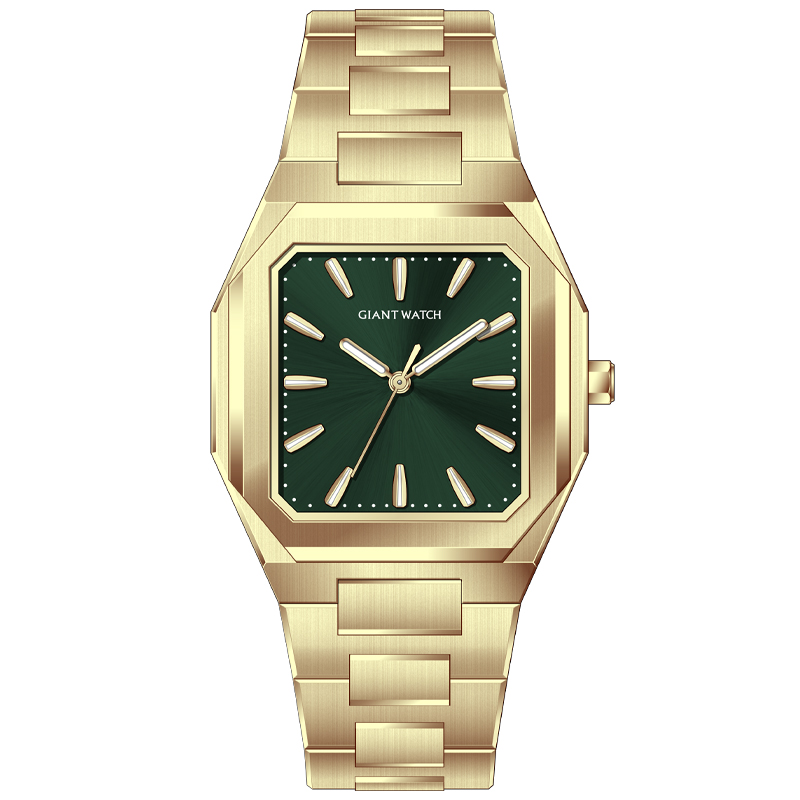
Fellow watch enthusiasts, let's sit down and have a chat. Have you ever caught yourself just staring at a watch dial, spacing out? I do it all the time. Watching those three hands sweep across the dial at different speeds — each marching to its own rhythm, yet locked in perfect coordination — it's like a silent dance.
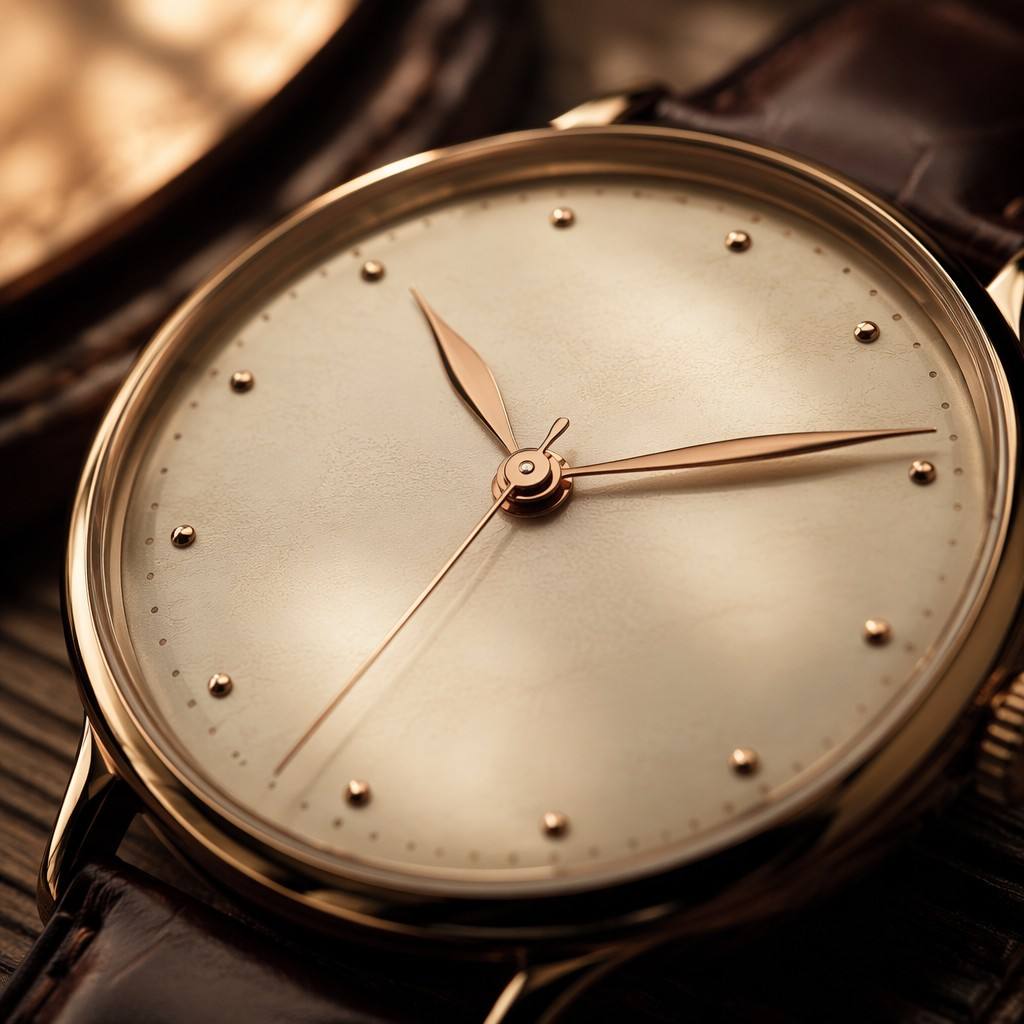
But have you ever stopped to wonder: where did these three hands come from? Who set them in motion?
The Hour Hand: The Oldest of the Three
Which one came first? The hour hand, naturally.
Around the 16th century, the earliest mechanical clocks and watches were born — and most of them carried just a single hand. Yes, one lone hour hand. Back then, people weren't so obsessed with splitting time into tiny fragments. Knowing roughly what hour it was did the job. Plus, early clockwork was limited in power and precision; one hand was the most reliable choice. So the hour hand is the undisputed elder statesman — the longest-tenured, but also the shortest, thickest, and slowest of the three.
The Minute Hand: Born of Urban Life
By the late 17th century, things had changed. Commerce was booming, city life was growing richer, and people needed more precise timekeeping. Enter the minute hand.
But driving a faster hand demanded more sophisticated technology. What made it possible was the invention of the pendulum and the balance spring — breakthroughs that elevated timekeeping accuracy from the "hour" level to the "minute" level. The arrival of the minute hand was a direct result of humanity's deepening relationship with precision.
That's why, if you look closely, the minute hand is always slimmer and longer than the hour hand. It was "assigned" to move faster — one full lap every 60 minutes.
The Second Hand: The Youngest Performer
The second hand — the one we're most familiar with today — is actually the baby of the family.
By the 18th century, the technology to produce a second hand did exist, but it wasn't widely used. Why? Because a typical clock back then could drift by half an hour a day. Measuring seconds was simply pointless when the hour was still a rough estimate.
It wasn't until master watchmakers like Abraham-Louis Breguet refined the escapement mechanism — and especially after the invention of the precision balance wheel — that things changed. Add to that the growing demand for scientific measurement and marine chronometry, and by the late 19th to early 20th century, the second hand finally became mainstream.
Here's an interesting twist: the central sweep seconds hand we take for granted today is actually called a center seconds hand — and it was a relatively late technical achievement. Before it, second hands typically lived in a small sub-dial. The reason? Routing a second hand through the center of the movement — threading it through the wheel trains of the hour and minute hands while keeping it independently driven — was a serious engineering challenge.
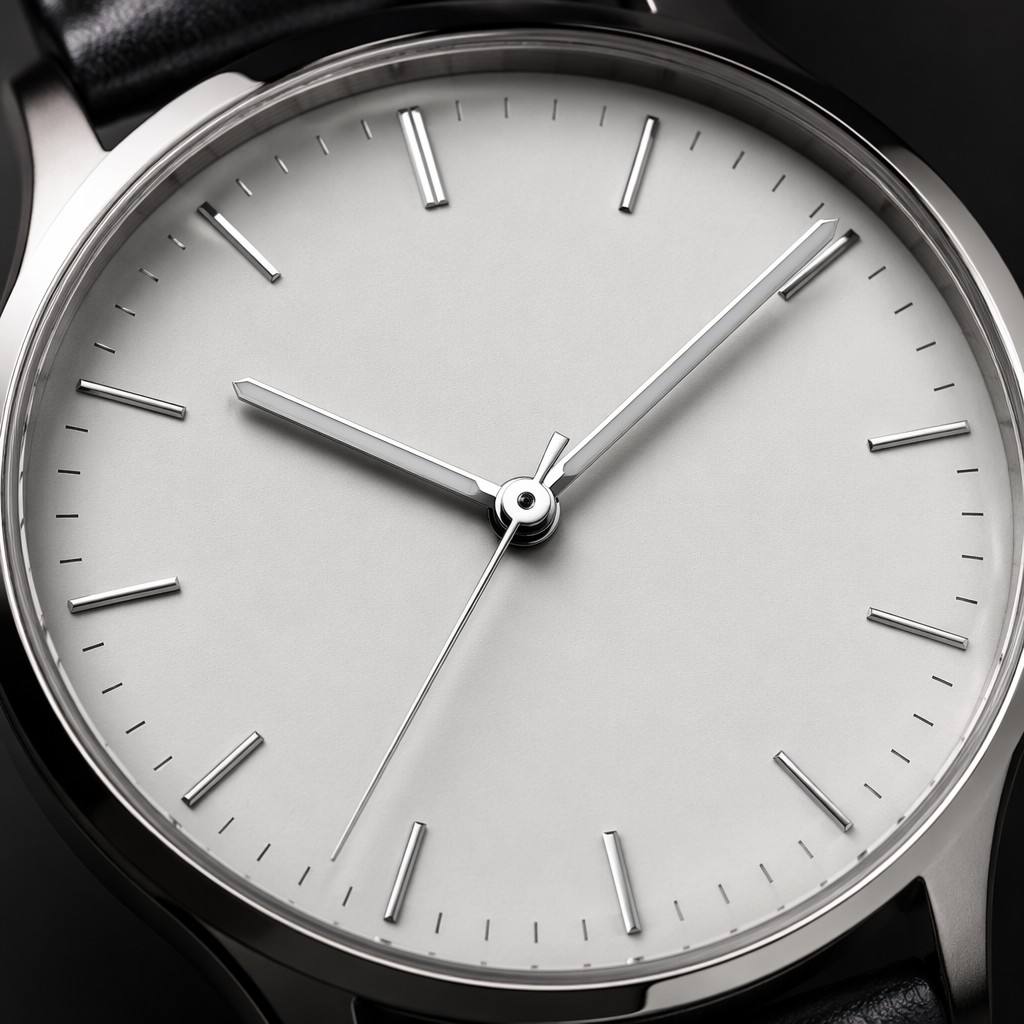
One Second Hand, Three Personalities
Central Seconds (Grande Seconde)
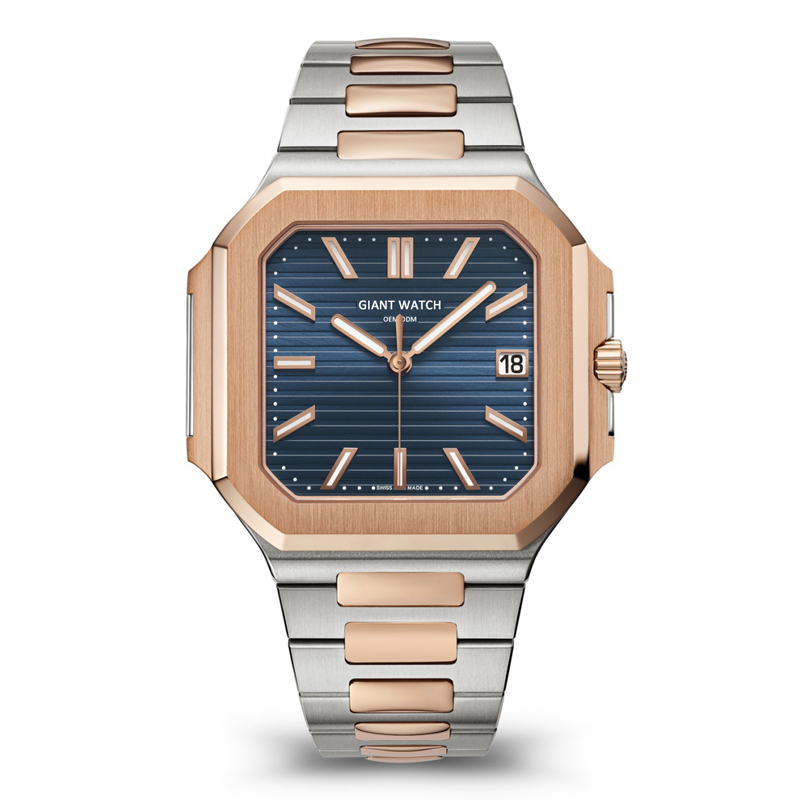
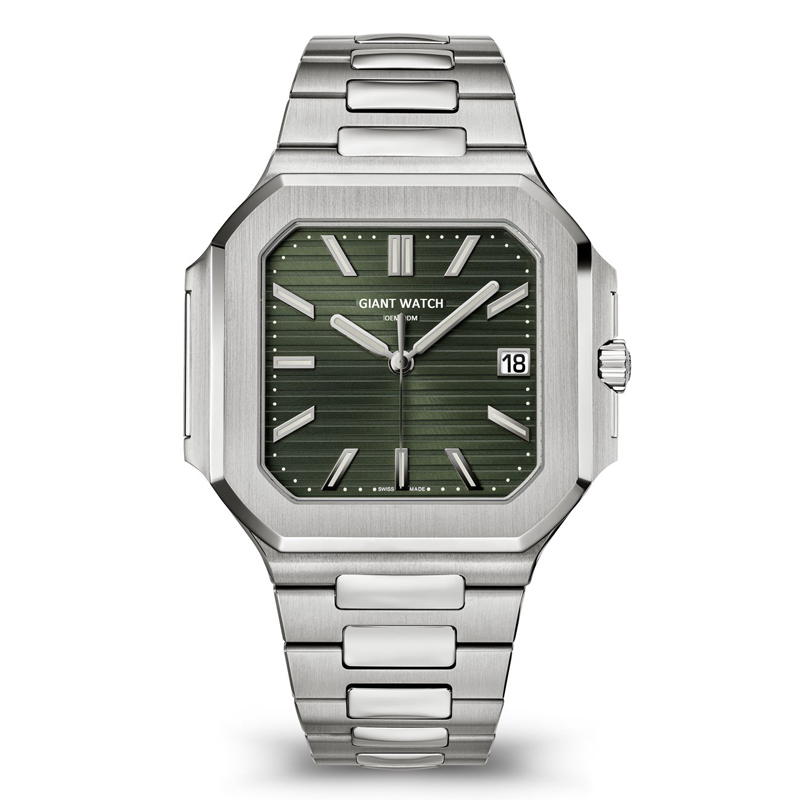
A single central second hand coaxial with the hour and minute hands. The cleanest, most intuitive layout — and the most demanding in terms of movement design and assembly precision.
Small Seconds (Sub-Dial Seconds)
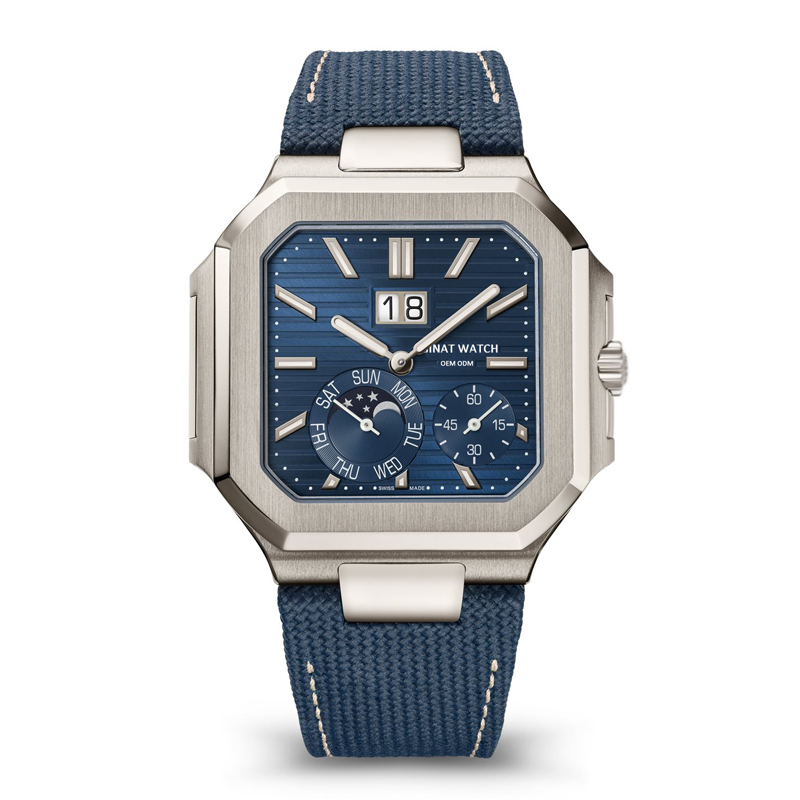
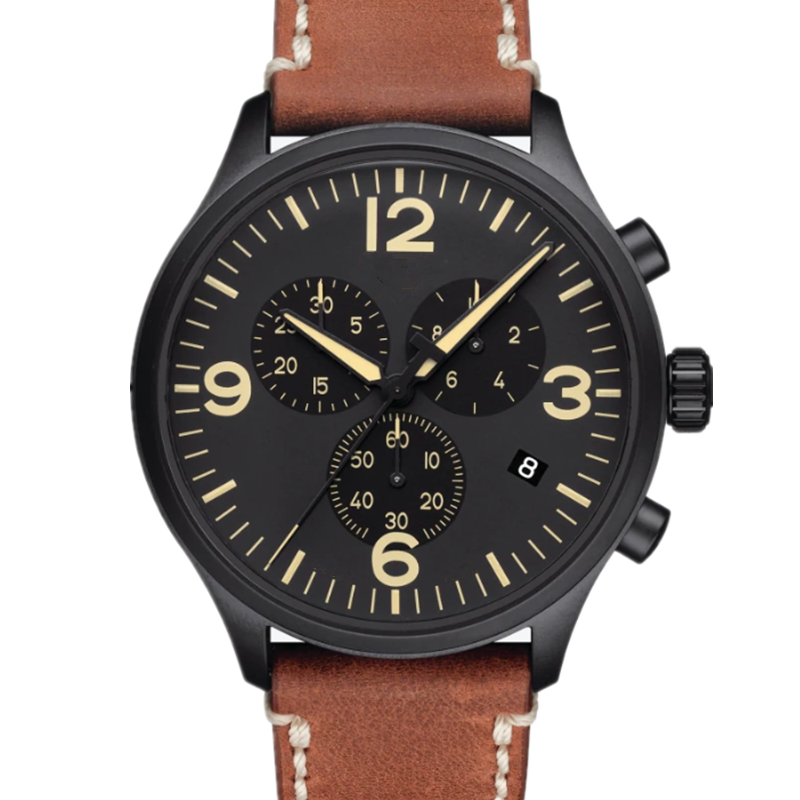
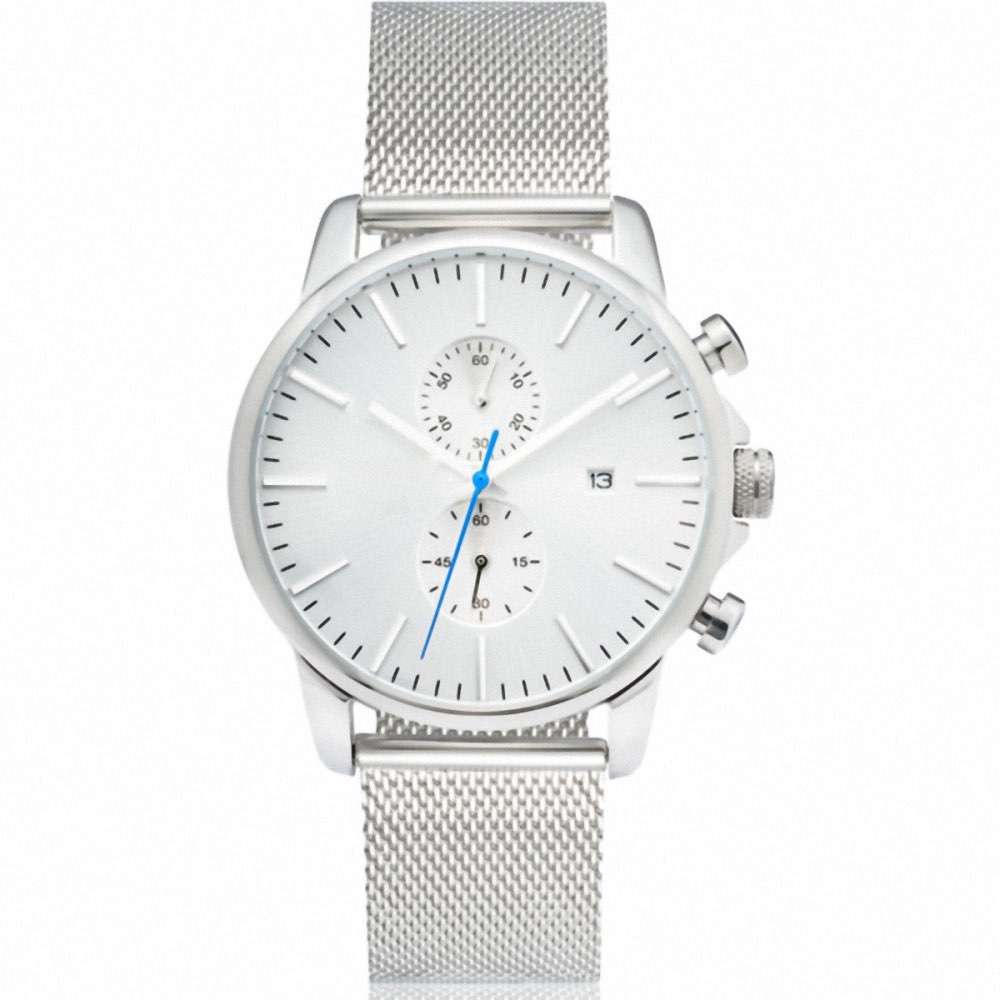
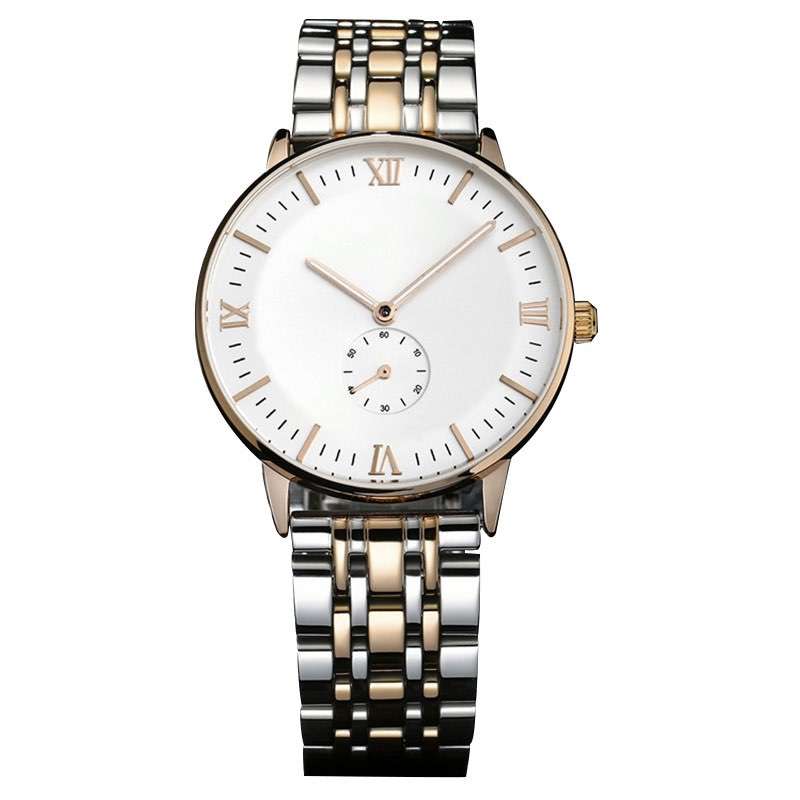
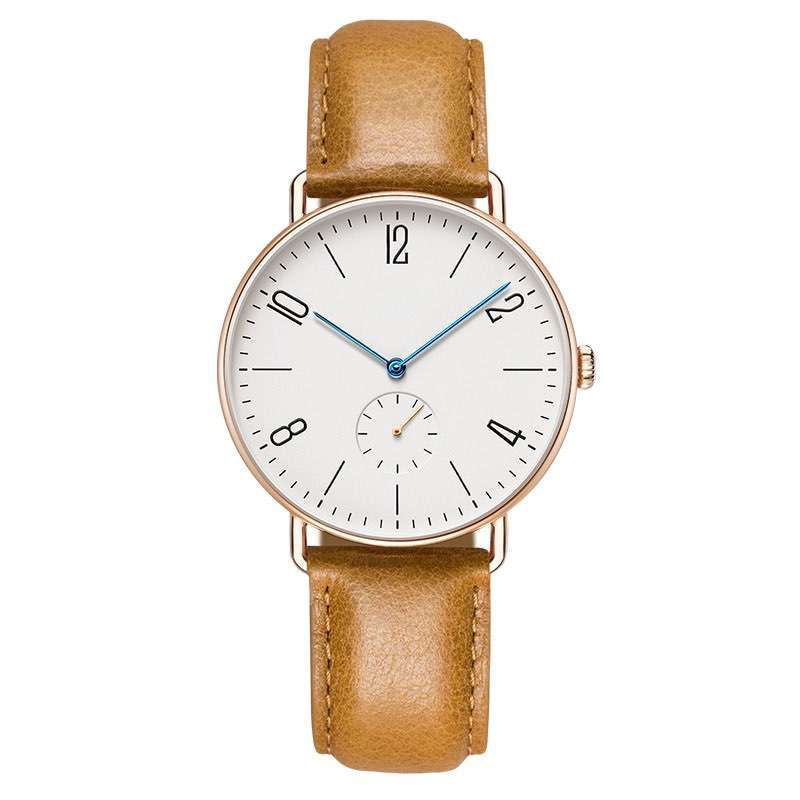
The second hand lives in its own small sub-dial, while the hour and minute hands remain central. A classic vintage aesthetic with a lower technical barrier and reduced power loss.
Center Seconds (Independently Driven)
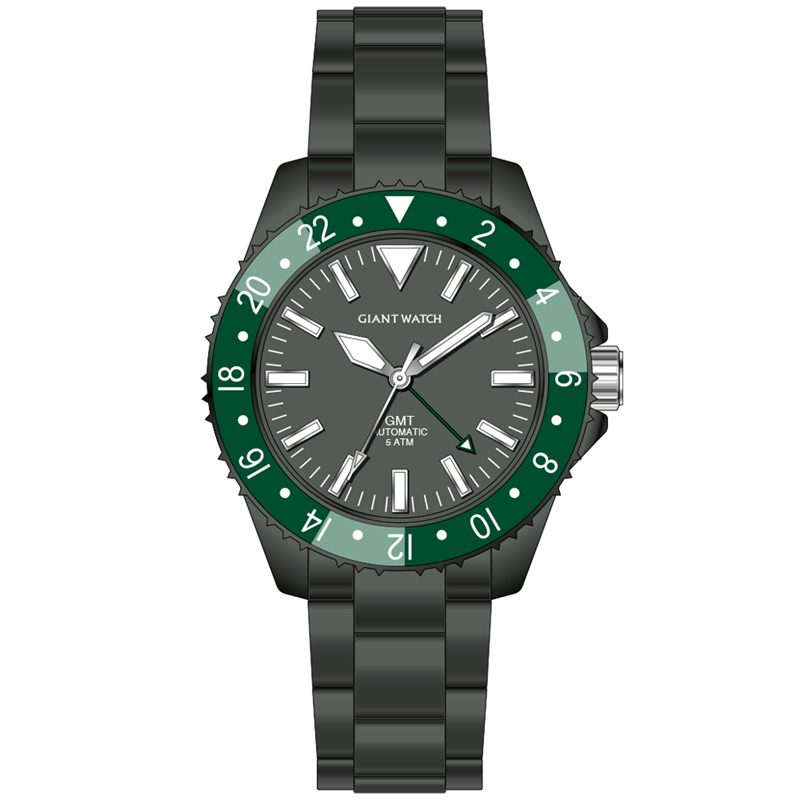
A specific construction where the second hand sits at the center but is independently driven — commonly found in complication watches.
So the story of the three hands is, at its heart, a condensed history of humanity's pursuit of precision. The hour hand came first, born of a "rough-enough" era. The minute hand arrived when we needed "more accurate." And the second hand joined last — only when technology had finally reached its limits.
The next time you glance at your watch, take a moment to just stare at those three hands. Think about the journey they represent — not just the hours ticking by on the dial, but centuries of human ingenuity distilled into one mechanical dance. That, to me, is the true magic of a mechanical watch.

2F, Building A, Shimei Industrial Park, Dalang Town, Longhua District, Shenzhen, China
 The Rise of Quartz Watches: From QUARTZ Label to Precision Revolution