╳

Home



 2026-08-10

Two watches, nearly identical prices — one plain dial, one hand-painted enamel dial, and a thousand-yuan gap. Where does the difference come from? This guide unpacks the economics of enamel watch dials: mineral glass ground to ultra-fine powder, metal oxides blended into glazes, and dials fired at 800–1000°C where a single failure scraps the entire piece. With defect rates above 60% for handmade enamel versus under 5% for printed dials, the cost logic becomes clear. We also reveal how modern low-temperature enamel technology brought this thousand-year craft down to accessible luxury price points, how to spot printed "fake enamel" dials, and when a plain engraved dial is the smarter buy. The inside story of watchmaking's most beautiful — and most fragile — dial craft.
Read more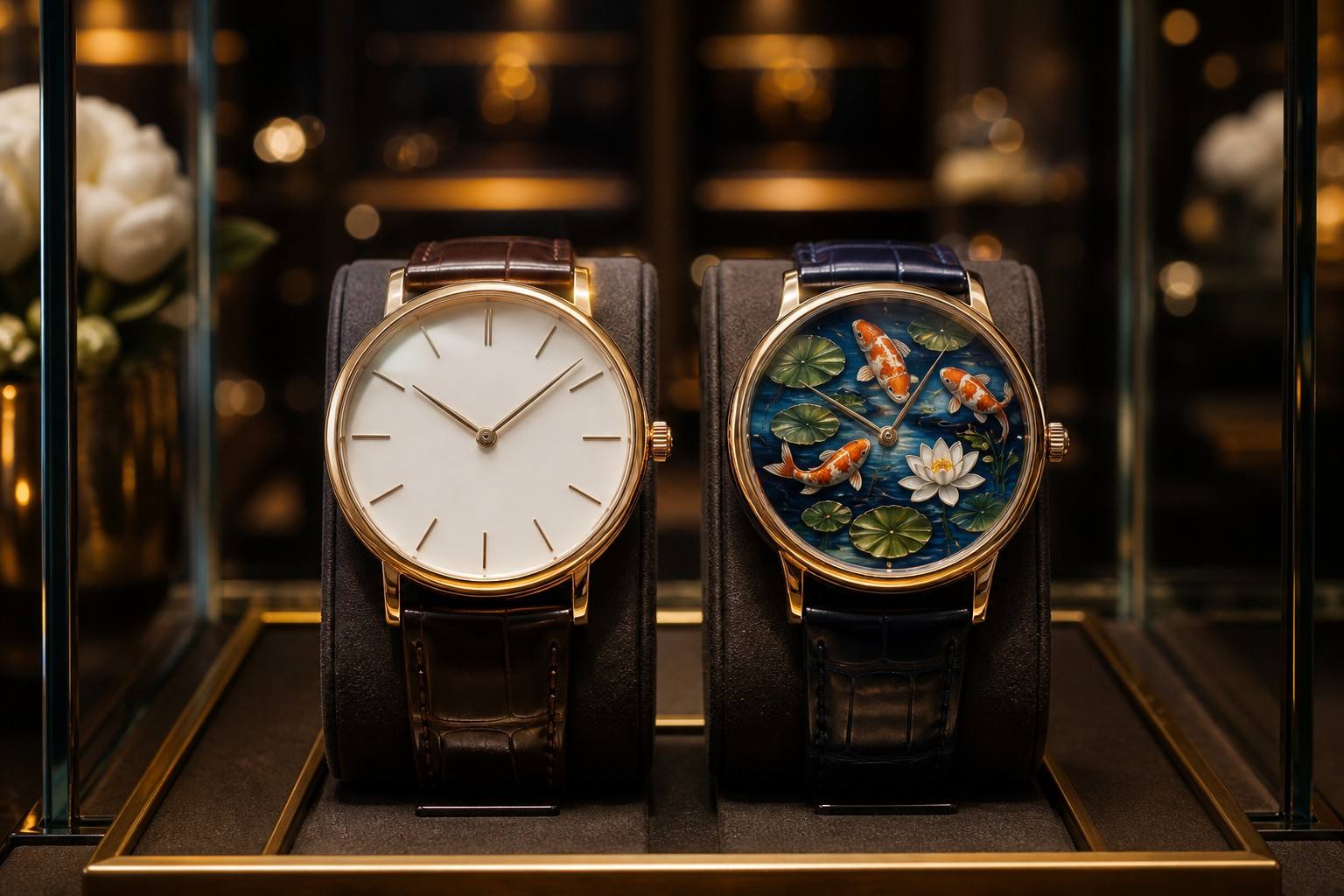 2026-07-24
Ever noticed "QUARTZ" printed on a watch dial and wondered what it means? It's not a brand — it's a technology label. This article traces the quartz watch revolution from its 1969 debut with the Seiko Astron to the science behind quartz crystal oscillation at 32,768 Hz. Learn why even budget quartz watches stay accurate to within one second per day, how this technology reshaped global watch manufacturing, and why it remains the backbone of a 500-million-unit-per-year industry. A concise read for anyone curious about the quiet revolution that changed watchmaking forever.
Read more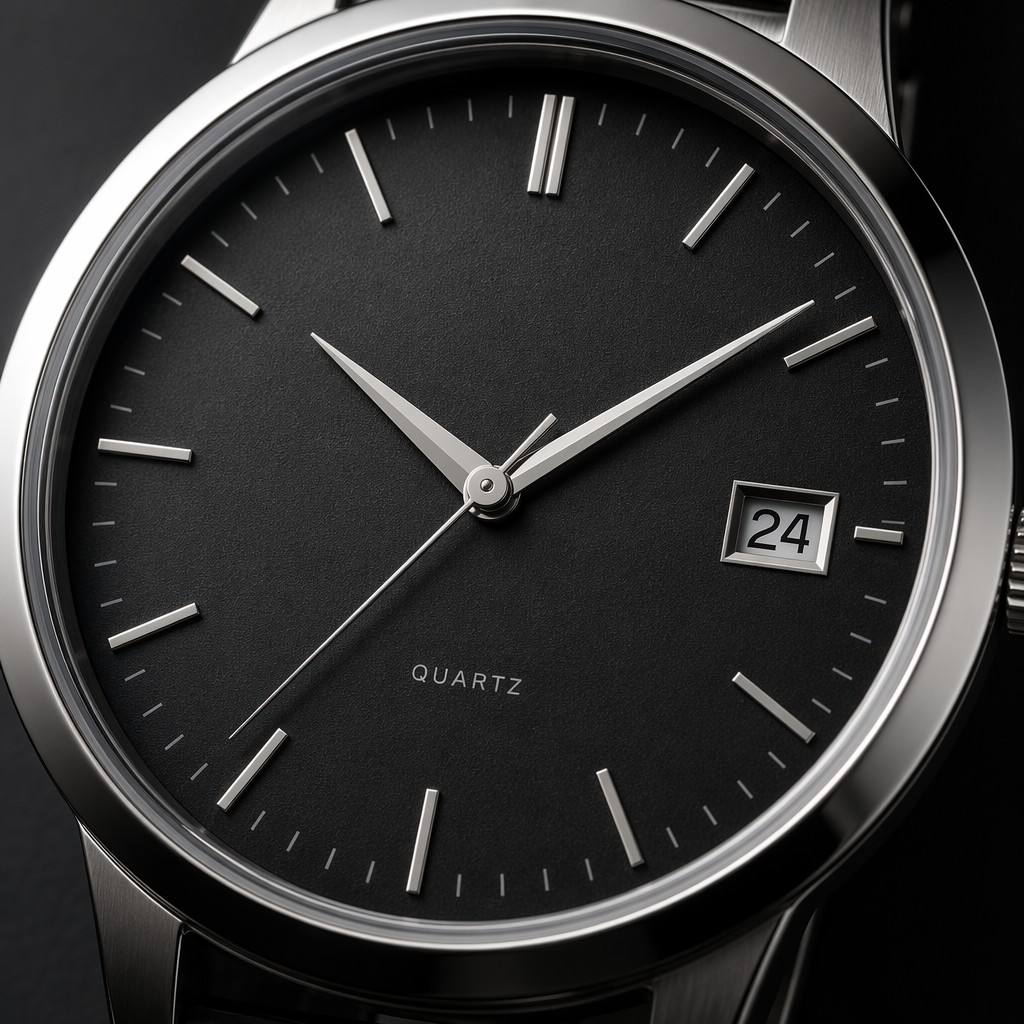 2026-07-09
Watch Dial Customization: Types and Craftsmanship — A Complete Guide by Time Valley Watch Manufacturer
Read more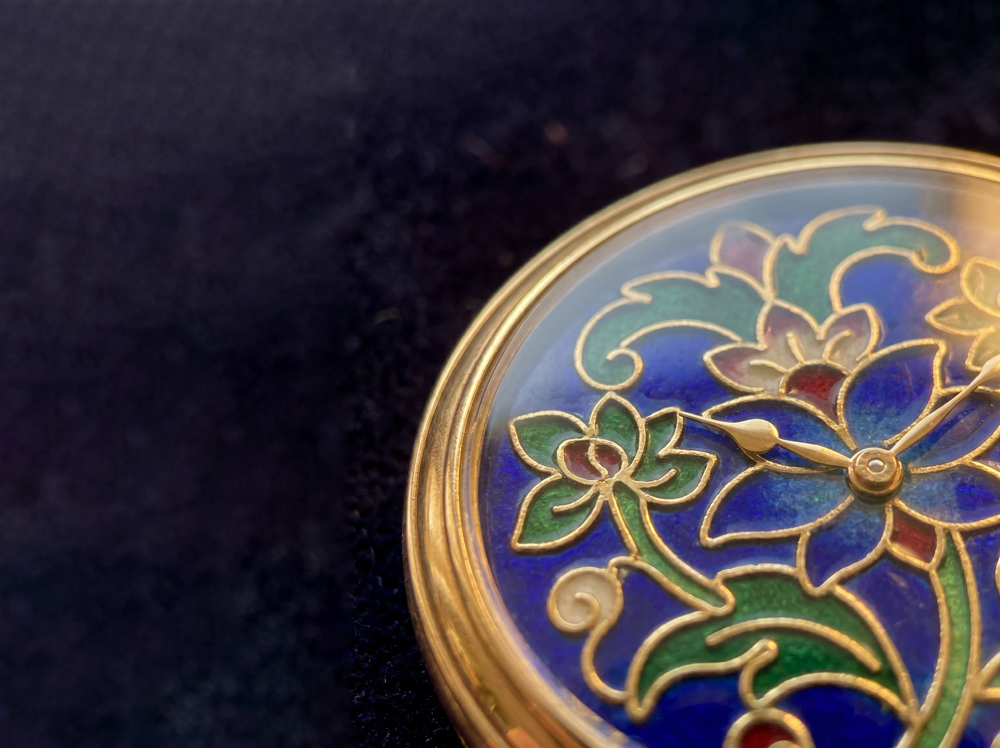 2026-07-23
Why do watches have three hands? The hour hand came first in the 16th century — a rough timekeeper for a world that only needed "about what hour." The minute hand arrived in the late 1600s when commerce demanded precision. And the second hand? It waited until the 19th century, born only after Breguet and his peers perfected the escapement. This article traces the 400-year story behind the silent dance on your wrist — from single-hand clocks to central seconds, small seconds, and the engineering marvel of coaxial hands. A short history of human precision, told through three humble needles.
Read more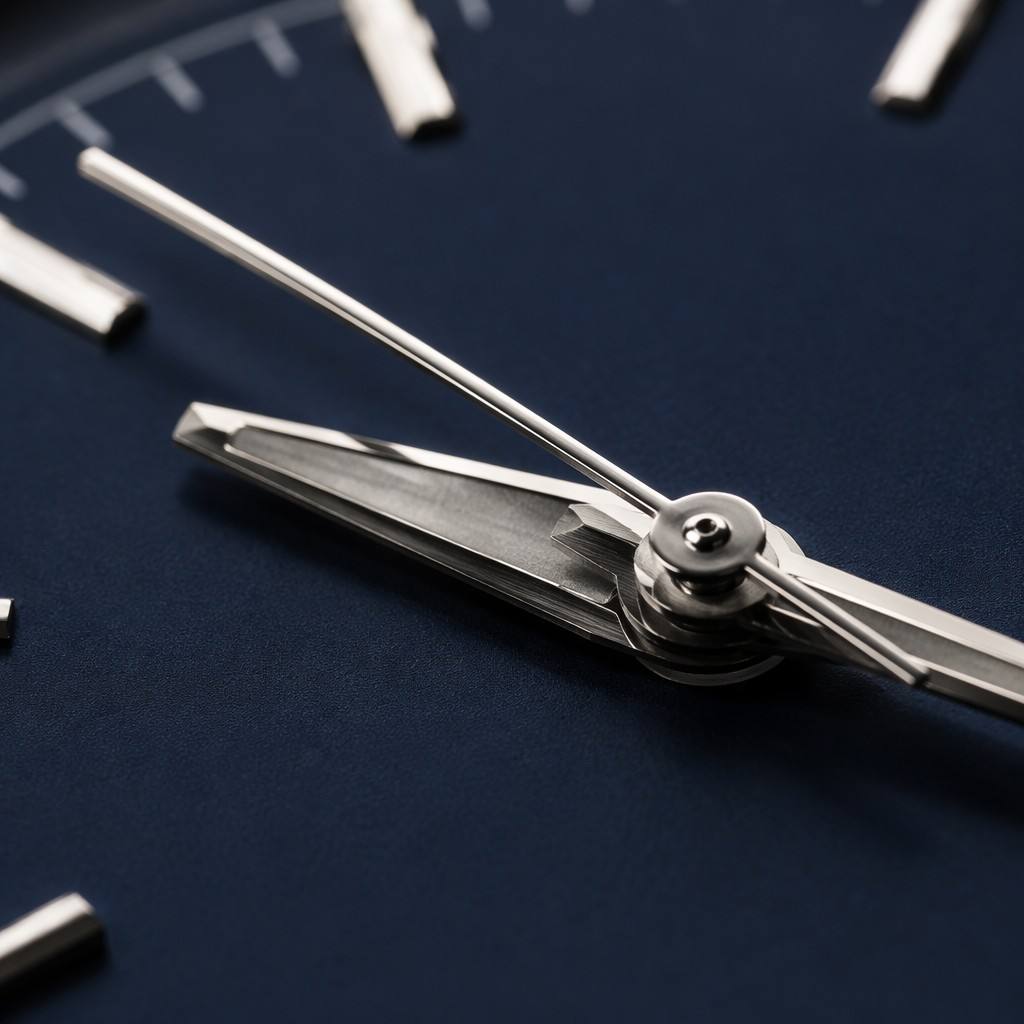 2026-06-09
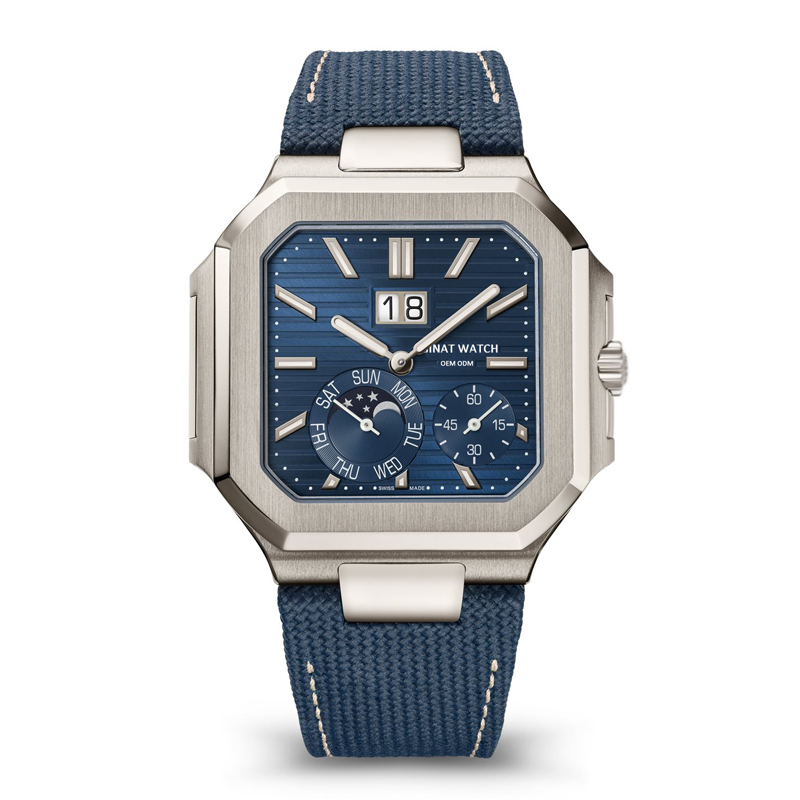
Complete, annual, and perpetual calendar watches all display the date, day, and month, but they differ greatly in complexity and adjustment frequency. A complete calendar assumes 31‑day months and needs 5 adjustments per year. An annual calendar recognises 30‑ and 31‑day months but not February’s length – requiring one adjustment at the end of February. A perpetual calendar automatically accounts for leap years, short months, and even century rules, needing no adjustment during normal use. This article breaks down each type.
Read more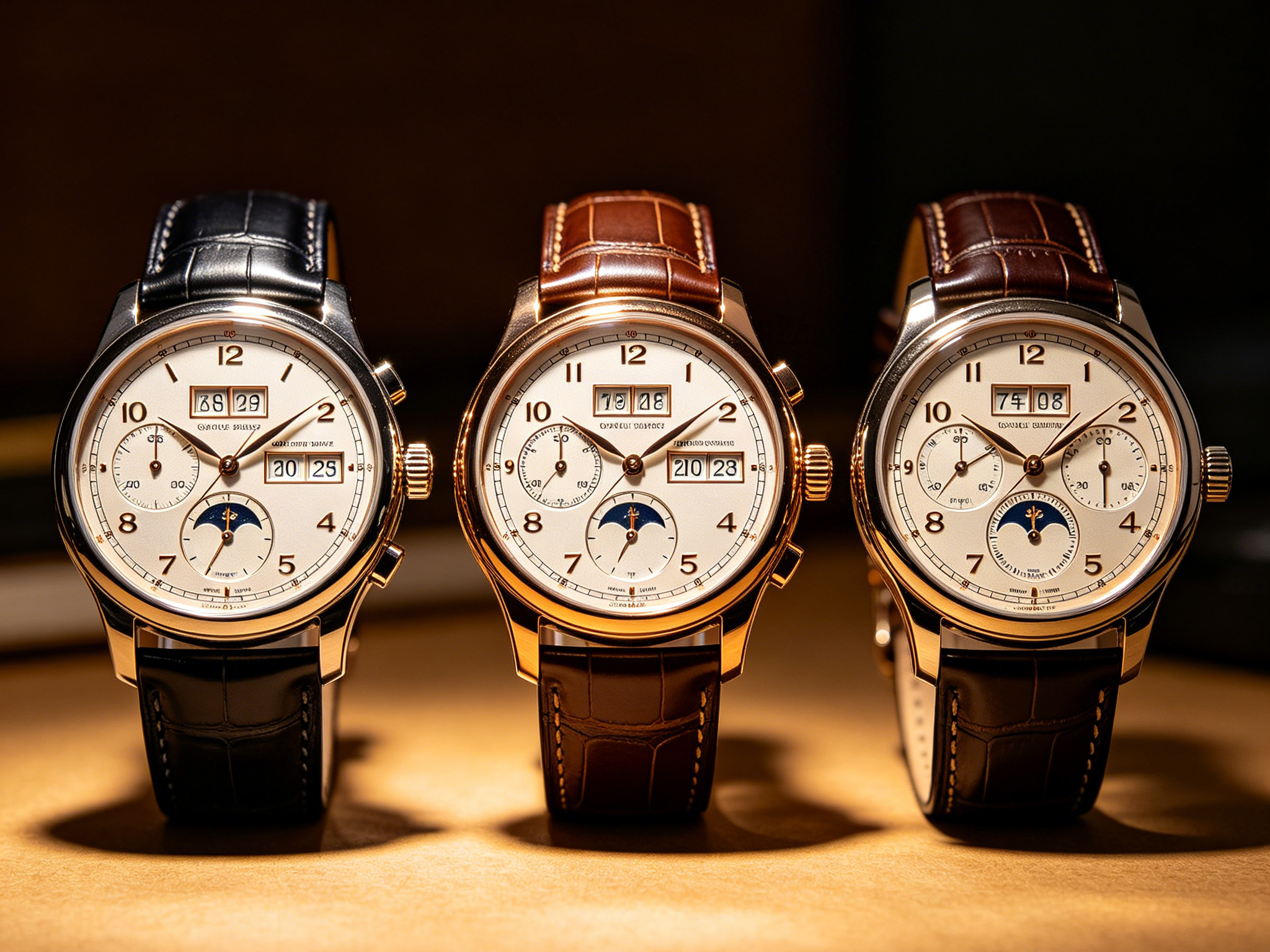 2023-12-23
Chinese watch manufacturers have gained significant recognition in the global market, showcasing impressive production strength, robust research and development (R&D) capabilities, and competitive cost performance. This article explores these key aspects that contribute to the success of Chinese watchmaking.
Read more 2023-12-21
When it comes to men's fashion, pairing it with a quartz watch can take your style to new heights. However, in order to make a lasting impression, key details must be attended to. Next, we’ll dive into five key aspects to consider when wearing a men’s quartz watch. Striking the right balance between style and functionality is the hallmark of a fashion-forward look.
Read more 2023-12-20
In the fast-paced world of fashion and technology, women's quartz watches are timeless pieces that perfectly blend fashion, technology, and artistic style. These exquisite timepieces not only decorate the wearer's wrist, but also powerfully express their sense of style, appreciation of technology, and love of artistic craftsmanship.
Read more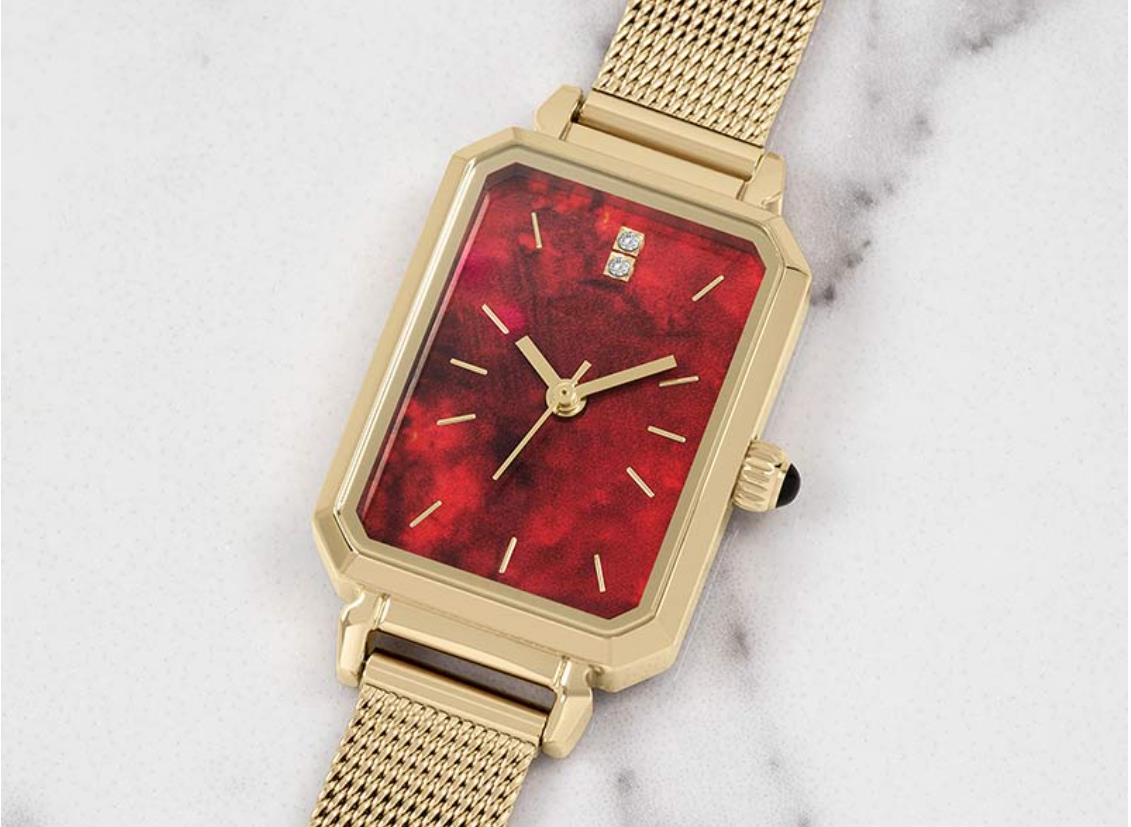 2023-12-14
The Chinese watch factory has experienced a remarkable development journey, from obscurity to becoming a major player in the global watchmaking industry. This article will delve into their history, production capabilities, service advantages, and future development directions.
Read more 2023-12-08
In the ever-evolving world of timepieces, designing a new quartz watch requires a delicate balance between aesthetic appeal, practical functionality, keeping up with fashion trends, and creating a personalized look. The process involves meticulous attention to detail, ensuring each element fits harmoniously into the overall design
Read more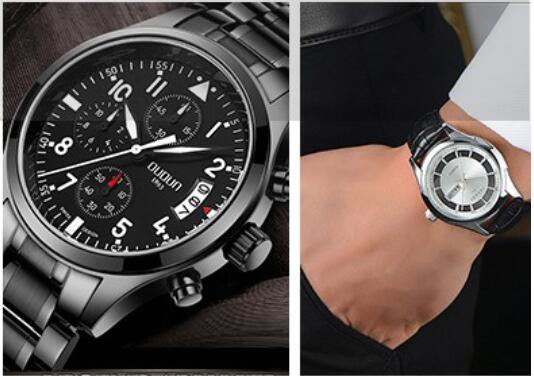

2F, Building A, Shimei Industrial Park, Dalang Town, Longhua District, Shenzhen, China